NCERT Class 6 Science is undergoing a revolutionary transformation, driven by the rollout of the new textbooks aligned with NEP 2020 that aim to foster a deep spirit of inquiry in young minds.
If you are looking for the absolute best resources to master this updated curriculum, the transition from old rote-learning habits to the NCERT Class 6th Curiosity textbook framework marks a major shift in how students perceive the natural world. This updated Class 6 NCERT syllabus is no longer about just memorizing definitions; it focuses heavily on experiential learning and conceptual clarity.
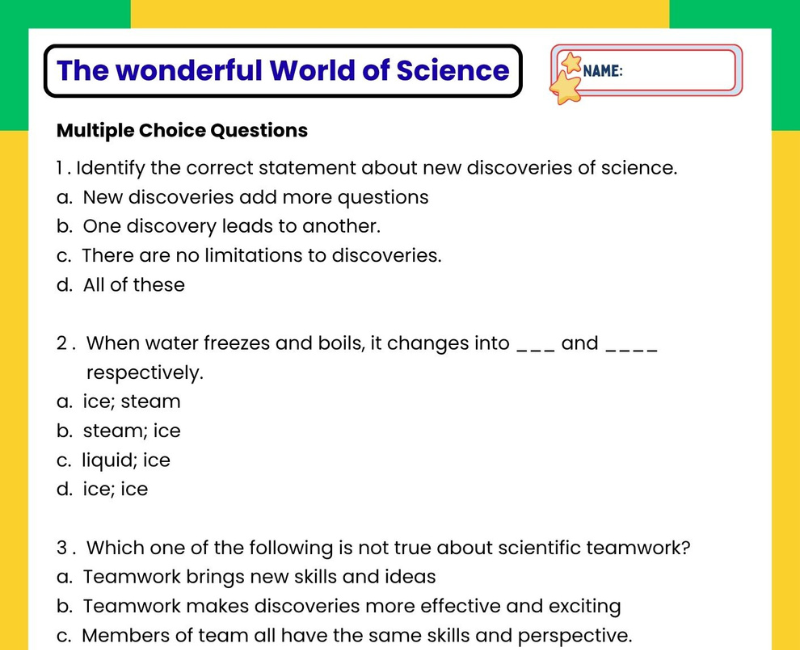
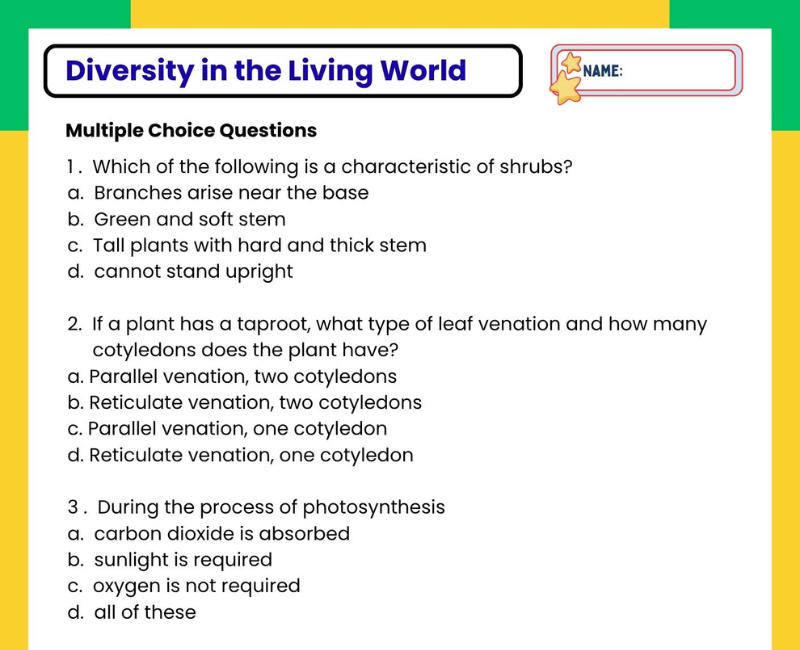
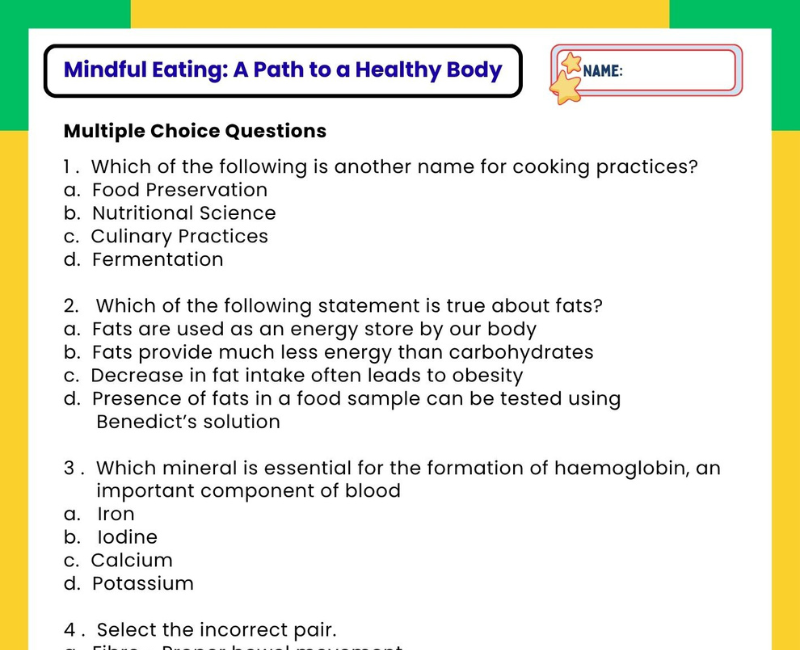
To support this modern pedagogical shift, leveraging comprehensive Class 6 Science Worksheets, including dedicated NCERT Class 6 worksheets and NCERT Class 6 science worksheets, has become essential for students, parents, and educators alike. Utilizing a high-quality CBSE Class 6 science worksheet ensures that a student is not only keeping up with school assessments but is actively building the foundational skills required for higher-order thinking. This aligns perfectly with the core philosophy of Class 6 curiosity, which encourages middle schoolers to ask "why" and "how" rather than simply digesting facts.
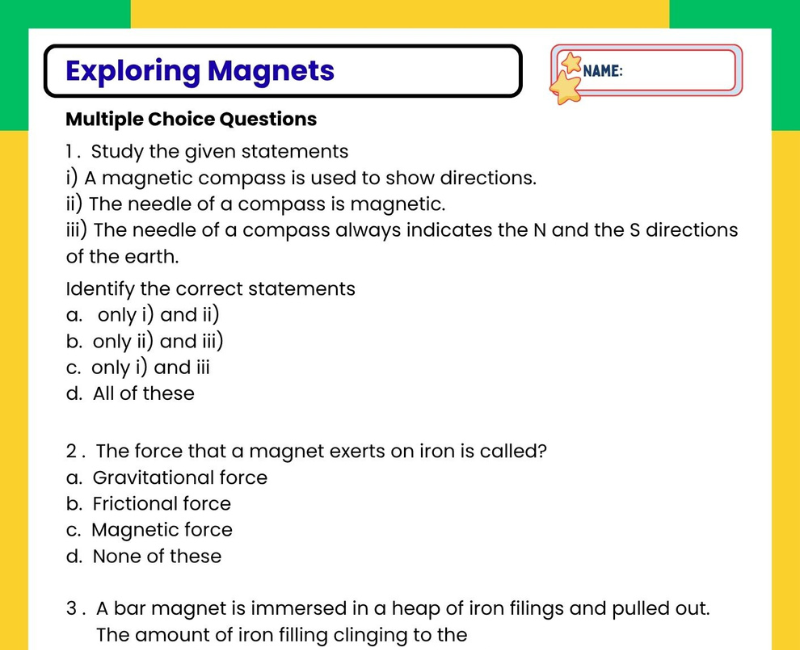
A prime example of this hands-on approach can be found in NCERT Class 6 Science chapter 4, which is titled "Exploring Magnets" in the new textbook version. Whether you refer to it as Class 6 Science chapter 4th, Class 6 Science chapter 4 worksheet, or simply Class 6 science chapter 4, this unit introduces students to the invisible forces of attraction and repulsion. To truly master this topic, working through Class 6 science chapter 4 extra questions and practicing Class 6 science mcq sets can make a massive difference in exam readiness. Modern assessment patterns require an array of item types, making it crucial to study NCERT Class 6 extra questions and answers, alongside highly specialized Class 6 science assertion and reasons questions and Class 6 science case study based questions that test real-world application.
When diving deep into the chapter, searching for exploring magnets class 6, exploring magnets class 6th, or class 6 exploring magnets will lead you to a treasure trove of educational materials designed to explain magnetic and non-magnetic materials, poles of a magnet, and how to make a temporary magnet. Practicing an exploring magnets class 6 worksheet or a generalized exploring magnets worksheet allows students to self-assess their understanding of how magnetic compasses work. For independent study, using an exploring magnets class 6 worksheet with answers helps students identify their mistakes instantly. Teachers frequently utilize exploring magnets class 6 mcq questions and exploring magnets class 6 assertion and reasons questions to construct a robust exploring magnets class 6 question paper for weekly or monthly assessments. Furthermore, attempting exploring magnets class 6 extra questions and exploring magnets class 6 case study questions ensures that students are well-prepared for any unexpected, high-difficulty problems in their final exams.
The magical world of exploring magnets opens up unique learning avenues. By thoroughly investigating exploring magnets class 6 and class 6 exploring magnets, young learners discover the history of the shepherd Magnes and how natural magnets were found. Finding accurate exploring magnets class 6 questions and answers and comprehensive exploring magnets class 6 extra questions and answers bridges the gap between reading a textbook and writing standard exam answers. To revise quickly before a test, studying structured exploring magnets class 6 notes or downloading an exploring magnets class 6 pdf for offline access is incredibly efficient. Students often look up the exact class 6 science chapter 4 exploring magnets question answer routines to finish their homework accurately.
To gain a competitive edge, regular practice with an exploring magnets class 6 mcq quiz or an exploring magnets class 6 worksheet with answers builds rapid problem-solving skills. If a student gets stuck on a complex homework problem, a quick search for the exploring magnets question answer key or a guide on ch 4 exploring magnets class 6 can clear up misconceptions about magnetic fields. Having access to a class 6 science chapter 4 exploring magnets question answer pdf and an exploring magnets class 6 worksheet pdf makes digital learning highly structured. Moreover, downloading the exploring magnets class 6 questions and answers pdf provides an organized repository of exploring magnets class 6 short questions and answers that save hours of study time. By integrating an exploring magnets class 6 notes pdf, solving an exploring magnets class 6 extra questions and answers mcq bank, and printing out a physical exploring magnets worksheet, any student can master this core chapter with absolute ease and confidence.
What is the difference between magnetic and non-magnetic materials?
Magnetic Materials: Materials that are attracted toward a magnet (e.g., Iron, Nickel, and Cobalt).
Non-magnetic Materials: Materials that are not attracted toward a magnet (e.g., Plastic, Wood, Glass, and Paper).
What are the poles of a magnet, and where are they located?
Every magnet has two poles: a North Pole (N) and a South Pole (S). These poles are located near the two ends of the magnet where the magnetic attractive force is the strongest.
What is the directive property of a magnet?
When a bar magnet is suspended freely by a thread, it always comes to rest pointing in the approximate North-South direction. The end pointing towards the geographic north is its North Pole, and the end pointing towards the geographic south is its South Pole. This property is used in a magnetic compass.
What are the basic laws of magnetic attraction and repulsion?
Like poles repel: Two North poles or two South poles will push away from each other.
Unlike poles attract: A North pole and a South pole will pull toward each other.
Question & Assessment Pattern FAQs
What kinds of questions are asked in Class 6 science case study based questions?
Case study questions present a short real-world scenario or a small classroom experiment. For example: "Rahul dropped his iron paper clips into a bowl of dry sand. He used a bar magnet wrapped in a plastic sheet to retrieve them." Students must analyze the situation to answer questions about magnetic force and why the plastic sheet didn't stop the magnet from picking up the iron clips.
How do I solve Class 6 science assertion and reasons questions for this chapter?
These questions provide two statements: an Assertion (A) (a statement of fact) and a Reason (R) (an explanation). You must determine if both are true and if the reason correctly explains the assertion.
Example:
Assertion (A): A magnetic compass cannot be used accurately inside an iron box.
Reason (R): Iron is a magnetic material that distorts the earth's magnetic field inside the box.
Answer: Both A and R are true, and R is the correct explanation of A.
Where can I find the exploring magnets class 6 worksheet with answers?
Comprehensive, printable exploring magnets class 6 worksheet pdf files and chapter resources are available for download on our educational platform witknowlearn.com. These resources contain curated exploring magnets class 6 extra questions and answers mcq sets to help students self-assess their preparation before exams.
Can a magnet exist with only a single pole?
No, isolated magnetic poles (magnetic monopoles) do not exist in nature. If you break a bar magnet in half, each broken piece will automatically develop its own North and South pole, resulting in two complete magnets.
 Download