Class 4 Science
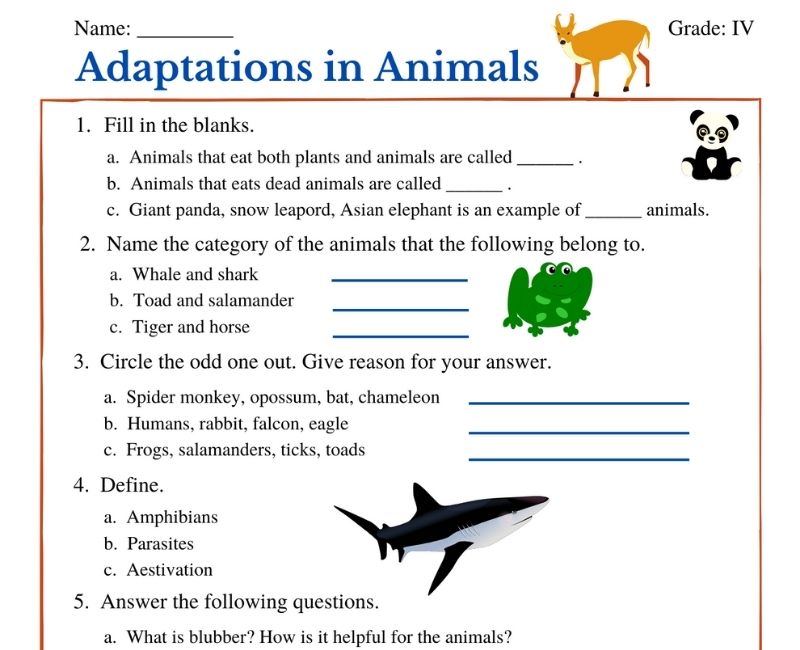
Adaptation in Animals Class 4 Science Worksheet with Quiz and Activities
How does a camel cross soft sand, and how does a polar bear stay warm on the ice? Explore with this Adaptation in Animals worksheet for Class 4: take the Adaptation in Animals Class 4 online quiz, test real body features in the labs and play the Adaptation in Animals Class 4 activities and interactive games online.
Flip the cards and try the Animal Body Lab, then tap the Games, Labs or Challenges island.
Adaptation in Animals Class 4 Online Quiz
20 questions · tap an answer to move on · full review at the end
Flip the cards, try the Animal Body Lab, then play the games, do the labs and take the challenges. Earn up to 3 stars in every activity.
Fact cards: tap a card to flip it
Animal Body Lab
Run three journey tests. In each habitat, drag the body feature you think will help onto the animal and watch the result. A wrong choice shows what goes wrong, so you can try again.
Challenge marks: 0 / 15 (0 of 5 challenges done)
Finish all 5 challenges to see your comment.
Practice sheet
Adaptation in Animals Class 4 Activities
Cross the ice, hide from hunters and race through water in real-looking experiments. Earn up to 3 stars in every activity.
What is adaptation in animals?
Animals live in many different homes: icy polar lands, hot deserts, oceans and ponds, thick forests, high mountains and even under the ground. The natural home of an animal is its habitat. Over a very long time, animals develop special body parts and habits that suit their habitat. These are called adaptations.
Adaptations help animals find food, stay safe from enemies, keep warm or cool, move easily and look after their young. An animal taken out of its own habitat may not survive, because its body is built for its home.
Two kinds of adaptation
| Kind | What it means | Examples |
|---|---|---|
| 🦴 Body (structural) | A body part shaped for the job | a cheetah's long legs, a tortoise's shell, a pelican's pouch |
| 🧠 Behaviour | A habit or way of acting | a squirrel storing nuts, deer living in herds, an octopus squirting ink |
Animals and their homes
- Polar lands: thick fur, feathers or fat to stay warm.
- Deserts: ways to save water and stay cool.
- Water: body parts for swimming and breathing under water.
- Forests: grip, climb and hide among the trees.
- Mountains: long hair and sure feet on steep rocks.
Ways animals protect themselves
This Adaptation in Animals worksheet for Class 4 turns animal science into an island adventure with online activities and interactive games. Flip the cards, test body features in the Animal Body Lab, then play the games, do the science labs and try the challenges.
Science Adaptation in Animals Class 4
Adaptation in Animals is an important Class 4 Science topic. It explains how animals living in very different homes, such as icy polar lands, hot deserts, oceans and ponds, thick forests, high mountains and tunnels under the ground, have special body parts and habits that help them survive. It also covers how animals protect themselves, find food and cope with the seasons. This guide explains each idea in simple language for Class 4 students, parents and teachers. It goes with the Adaptation in Animals worksheet for Class 4 on WitKnowLearn, which also gives an online quiz, online activities and interactive games on the same page.
What is adaptation in animals?
The natural home of an animal is its habitat. Each habitat has its own temperature, food, water and dangers. Over a very long time, animals develop body parts and habits that suit their habitat. These are called adaptations. An animal's body cannot change quickly, so an animal moved to a very different place may not survive.
What is there in this topic
- Body (structural) adaptations and behaviour adaptations
- Animals of polar lands, deserts, water, forests, mountains and grasslands
- Adaptations of beaks, feet and teeth for food and movement
- Protection: camouflage, shells, spines and warning colours
- Hibernation, migration and animals that are active at night
Learning objectives
- Explain what a habitat and an adaptation are.
- Name the main habitats of animals with examples.
- Describe how body parts suit an animal's food and home.
- Tell how animals protect themselves and cope with the seasons.
Learning outcomes
After this page a child can:
- Match animals such as the yak, dolphin, squirrel and mole to their homes.
- Explain how fat, fur, big ears or webbed feet help an animal.
- Match bird beaks to the food they eat.
- Give reasons why an animal may not survive in another habitat.
Adaptation in Animals Class 4 resources on this page
| Resource | What it does |
|---|---|
| Adaptation in Animals Class 4 online quiz | 20 questions in three levels with a full answer review |
| Flip cards | Six cards on polar lands, deserts, water, forests, mountains, and day and night |
| Animal Body Lab | Test body features on the ice, in the desert and in the treetops |
| 5 interactive games | Night or day, snowy bubbles, super feature memory, home sweet home, beak buffet |
| 5 science labs | Blubber glove, hide from the bird, water race, big ears and paddle power experiments |
| 5 challenges | Marked out of 3 each with a total out of 15 |
| Practice sheet | 16 questions with answer boxes and a live score |
Animals and their homes
| Habitat | What it is like | Example animals | Adaptations |
|---|---|---|---|
| Polar lands | Freezing, icy, snowy | Seal, walrus, Arctic fox | Thick fur or feathers, a fat layer (blubber), white colour |
| Desert | Hot days, cold nights, little water | Camel, desert fox, scorpion | Saves water, wide feet, stays in burrows in the day |
| Water | Water all around | Fish, dolphin, turtle | Streamlined body, fins or flippers, gills or breathing holes |
| Forest | Tall trees, thick leaves | Monkey, squirrel, orangutan | Gripping hands and feet, long tails, sharp claws for climbing |
| Mountains | Cold, steep and rocky | Yak, mountain goat, snow leopard | Long thick hair, strong hooves with grip |
| Grasslands | Open land with grass | Deer, zebra, cheetah | Fast legs, live in groups, eyes that watch all around |
Beaks and feet
- Beaks are shaped like tools: hooked for tearing, long and pointed for spearing, short and strong for seeds, long and thin for nectar.
- Feet also suit the job: webbed for swimming, sharp claws (talons) for catching, and toes that grip branches for perching.
Protection and the seasons
- Camouflage: colours that match the surroundings help animals hide.
- Armour: shells, hard scales and sharp spines keep enemies away.
- Hibernation: some animals sleep deeply through the cold winter.
- Migration: some animals travel far to find warmth and food.
Types of questions
- Match the animal to its habitat
- Name the body part that helps
- Give a reason (why questions)
- Body or behaviour adaptation
- Beak and food matching
- Hands-on experiments with fat, colour, shape and feet
Solved examples
Common mistakes
| Mistake | Correct |
|---|---|
| Thinking every sea animal is a fish | Whales and dolphins are mammals that breathe air. |
| Thinking adaptations happen in a few days | They develop over a very long time. |
| Mixing up hibernation and migration | Hibernation is sleeping; migration is travelling. |
| Thinking only body parts are adaptations | Habits and behaviours are adaptations too. |
Daily life
We use ideas from animal adaptations every day: wetsuits keep divers warm like blubber, boats are pointed at the front like fish, and snowshoes spread our weight like a polar bear's paws. Learning about adaptations also helps us protect animals by keeping their natural homes safe.
Tips for parents and teachers
- Visit a zoo and spot one adaptation for each animal.
- Feel how a glove of ghee keeps a finger warm in icy water.
- Hide paper moths of different colours on a tree and see which are found first.
- Watch birds at home and talk about the shape of their beaks.
- Let the child retry the challenges to earn 3 stars.
Related Class 4 Science Worksheets
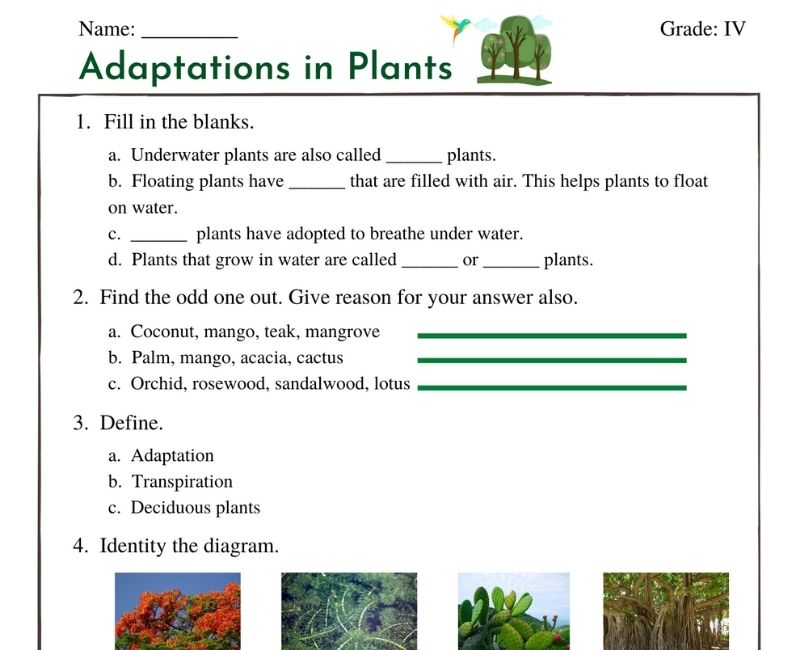
- Adaptation in Plants Worksheet Class 4
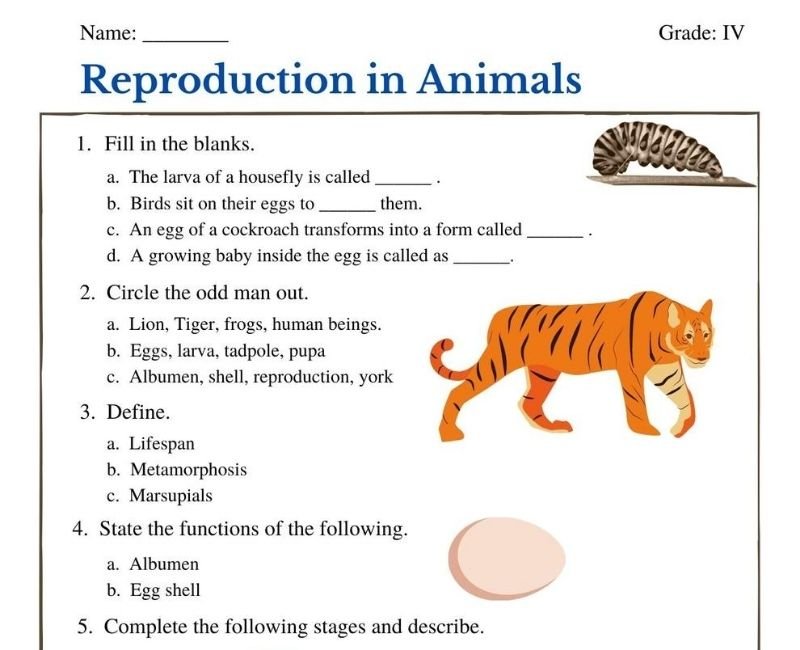
- Reproduction in Animals Worksheet Class 4
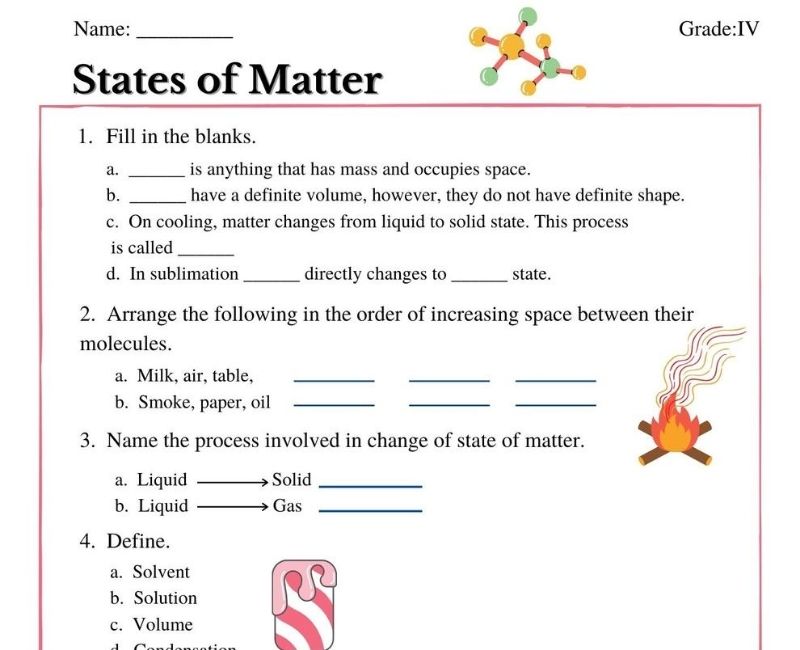
- States of Matter Worksheet Class 4
- Teeth and Microbes Worksheet Class 4
- Food and Nutrition Worksheet Class 4
- Force Work and Energy Worksheet Class 4
- Air Water and Weather Worksheet Class 4
- Leaves and the Food Factory of Plants Worksheet Class 4
- Safety and First Aid Worksheet Class 4
- Our Universe Worksheet Class 4
- Clothes We Wear Worksheet Class 4
- Our Environment Worksheet Class 4
Frequently Asked Questions
 Download