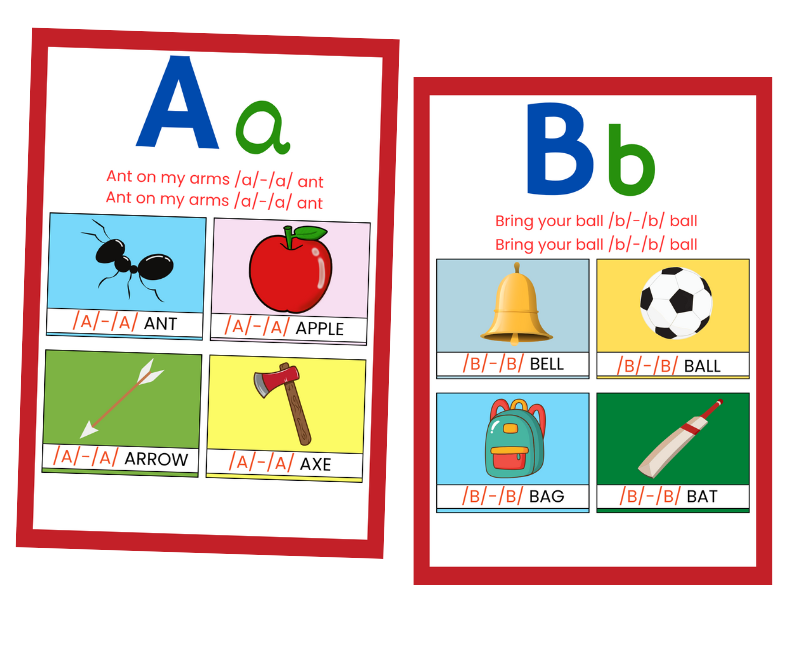
🔊 Phonics Flashcards for Nursery Kids
Learn beginning letter sounds with colourful phonics flashcards! Children can explore A for Apple, B for Ball, C for Cat and other familiar picture words.
These interactive phonics activities help nursery learners connect written letters with their common sounds. Explore 26 picture flashcards, enjoy a 20-question online quiz, play 10 hands-on phonics games and complete five practice exercises.
Tap the sound buttons to hear pronunciation when your browser supports speech. Children can match, sort, connect and arrange letters and pictures while developing early sound awareness.
🔊 Letter Sounds 🍎 Picture Flashcards 🎮 10 Games 📝 20 Questions 🔤 A–Z Phonics🃏 Interactive Phonics Flashcards A–Z
Explore 26 colourful picture flashcards. Each card shows a letter, a familiar word and a simple sound guide. Tap the card to reveal the picture.
Flashcard 1 of 26
📝 Phonics Online Quiz for Nursery
Look at each picture and choose the correct beginning letter. Complete 20 questions within 20 minutes.
Answered: 0/20
Which letter begins the word Watch?
🎮 10 Interactive Phonics Games for Nursery
Practise beginning sounds through picture matching, drag-and-drop, sorting, memory cards and alphabet puzzles.
1. 🍎 Drag Letters to Sound Pictures
Drag each letter onto the picture of a word beginning with its common sound. You can also tap a letter and then its picture.
Drag a letter or tap it and then its picture.
2. 🔡 Match Small Letters to Pictures
Match lowercase letters with their beginning-sound pictures.
Drag a letter or tap it and then its picture.
3. 🖍️ Connect Pictures and Sounds
Tap a picture and its matching beginning letter to draw a connecting line.
Tap a picture and its matching letter.
4. 🃏 Phonics Picture Memory
Flip two cards to find a matching letter and beginning-sound picture.
Flip two cards to find a matching pair.
5. 🧺 Sort Capital and Small Letters
Drag letters into the correct basket. Tap-to-select also works.
Drag a letter or tap it and then its basket.
6. 🧩 Build the Phonics Alphabet Puzzle
Arrange the capital letters in alphabetical order.
Arrange the cards in the correct order.
7. 🚂 Small Letter Sound Train
Arrange lowercase letters in the correct order.
Arrange the cards in the correct order.
8. 🔎 Find the Sound Picture
Look at the letter and tap the picture whose word begins with that sound.
Find the picture beginning with Q.
9. 🎯 Find the Beginning Letter
Look at the picture and tap its beginning letter.
Find the beginning letter of Elephant.
10. 🎲 Sound Picture Ordering Challenge
Arrange four pictures in the alphabetical order of their beginning letters.
Arrange the cards in the correct order.
✏️ Five Interactive Phonics Practice Exercises
Look at the pictures and identify their beginning letters. Type one letter in each colourful box.
Exercise 1: Beginning Sounds A to E
🔑 Show Answers
A, B, C, D, E
Exercise 2: Beginning Sounds F to J
🔑 Show Answers
F, G, H, I, J
Exercise 3: Beginning Sounds K to O
🔑 Show Answers
K, L, M, N, O
Exercise 4: Beginning Sounds P to T
🔑 Show Answers
P, Q, R, S, T
Exercise 5: Beginning Sounds U to Z
🔑 Show Answers
U, V, W, Y, Z
🔗 Related Nursery English Worksheets
📚 Phonics Flashcards for Nursery Kids
Phonics flashcards for nursery kids are colourful learning resources designed to introduce children to the relationship between written letters and spoken sounds.
Phonics is an important part of early reading instruction. Children learn that letters and groups of letters can represent sounds in spoken words.
These interactive phonics flashcards combine letters, pictures and familiar example words to support beginning-sound recognition and early literacy practice.
What Are Phonics Flashcards?
Phonics flashcards are educational cards that show letters or letter combinations alongside pictures and example words.
For example, a card may display the letter B with a picture of a ball. Children can practise recognising the letter and listening for the /b/ sound at the beginning of ball.
Phonics Flashcards A to Z
A to Z phonics flashcards introduce the English alphabet alongside common beginning sounds.
Each letter can be associated with a familiar word and picture. Examples include A for Apple, B for Ball, C for Cat and D for Dog.
Some English letters represent more than one sound, so these introductory cards focus on one familiar example per letter.
Phonics Sounds for Nursery Children
Nursery phonics activities commonly begin with listening to sounds in familiar spoken words.
Children may practise hearing the first sound in words such as sun, fish, cat and dog.
Teachers should distinguish between letter names and letter sounds. The letter B is named "bee", but its common sound in ball is /b/.
Beginning Sounds Flashcards
Beginning-sound flashcards help children notice the first sound in familiar words.
For example, the word sun begins with /s/, while fish begins with /f/.
Teachers can say the word slowly and invite children to identify the sound they hear first.
Phonics Flashcards with Pictures
Pictures make phonics activities more accessible to young learners.
Children can identify an object, listen to its name and connect the beginning sound with a written letter.
Our alphabet flashcards with pictures provide additional visual practice.
Capital and Small Letter Phonics
Uppercase and lowercase letters represent the same alphabet letters, although their written shapes differ.
For example, B and b both represent the letter associated with the /b/ sound in ball.
Children can practise recognising both forms while learning their common sounds.
Phonics and Alphabet Recognition
Alphabet recognition involves identifying written letters. Phonics instruction connects those letters with spoken sounds.
Both skills contribute to early reading development.
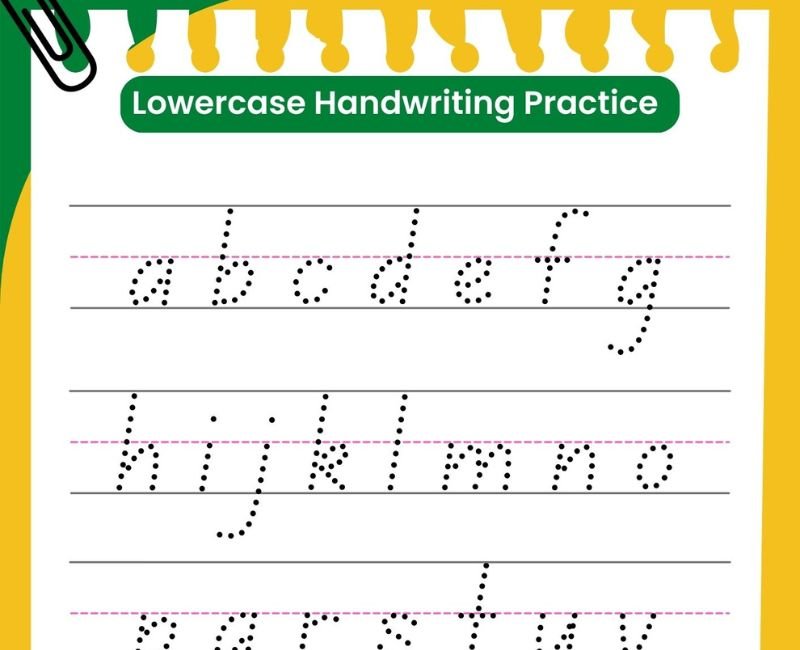
Children can practise letter shapes using our capital and small alphabet tracing worksheets .
How to Teach Phonics to Nursery Kids
Begin with a small group of familiar letters and sounds.
Show a picture, say the word and emphasise its beginning sound. Then introduce the letter associated with that sound.
Use short practice sessions and revisit familiar examples before introducing new ones.
Phonics Activities for Parents
Parents can practise beginning sounds using familiar household objects.
For example, show a ball and say the word slowly. Ask the child to listen for the first sound.
Use the interactive flashcards to repeat familiar examples throughout the week.
Phonics Activities for Teachers
Nursery teachers can use phonics flashcards during whole-class demonstrations, small-group activities and individual practice.
Children can identify beginning sounds, match pictures to letters and complete simple sorting games.
Interactive Phonics Games
Interactive phonics games provide different ways for children to explore letter-sound relationships.
Matching games connect pictures with beginning letters. Memory games encourage children to recall letter-picture pairs.
Sorting and sequencing activities provide additional alphabet practice.
Phonics Picture Matching Games
Picture matching helps children associate a written letter with a familiar word.
For example, children may match C with a cat picture or M with a mango picture.
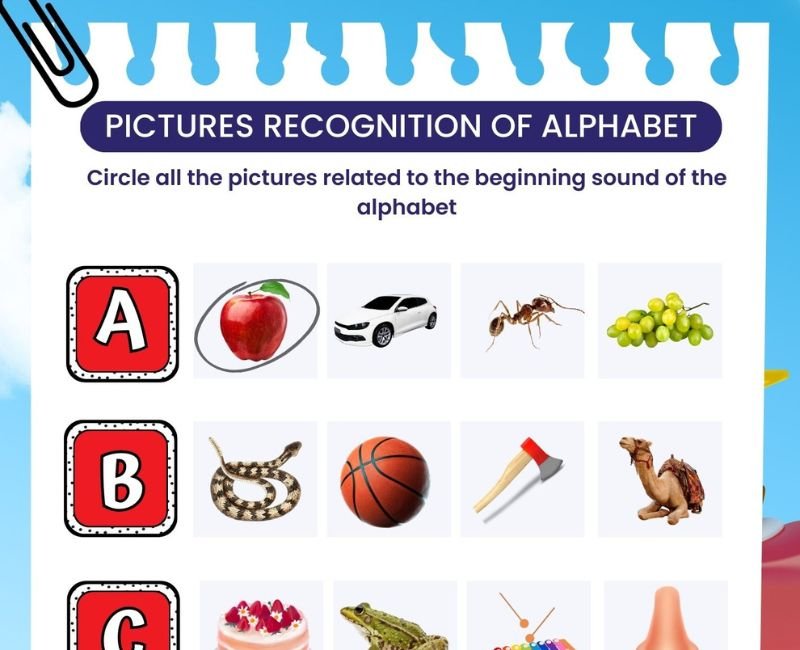
Explore our alphabet matching with pictures worksheets for related activities.
Phonics Memory Games
Memory cards allow children to practise recalling letter-picture associations.
Children turn over cards and look for matching pairs.
The activity combines visual memory with alphabet recognition.
Phonics and Early Reading Skills
Learning to connect letters with sounds is an important step towards decoding words.
As children progress, they can begin blending individual sounds to read simple words.
Nursery activities should remain appropriate to each child's developmental stage.
Phonics Flashcards for Beginners
Beginners benefit from clear pictures, familiar vocabulary and repeated opportunities to hear sounds.
Start with simple examples and introduce additional sound patterns gradually.
Not every English letter has only one sound, and some letter combinations represent a single sound.
Printable Phonics Flashcards PDF
Printable phonics flashcards can be used for classroom displays, picture matching and home practice.
Use the existing download option on this WitKnowLearn page to access the printable resource.
The online activities provide additional practice alongside the printable flashcards.
Free Phonics Flashcards Online
Online phonics flashcards allow children to explore letters and pictures on a phone, tablet or computer.
The interactive collection above includes 26 alphabet cards, optional browser speech and picture-based activities.
Using the 20-Question Phonics Quiz
The online quiz checks recognition of beginning letters using familiar pictures.
It includes 20 questions, a 20-minute timer, automatic scoring and answer review.
The separate interactive games provide hands-on matching, sorting and sequencing practice.
More Nursery English Learning Resources
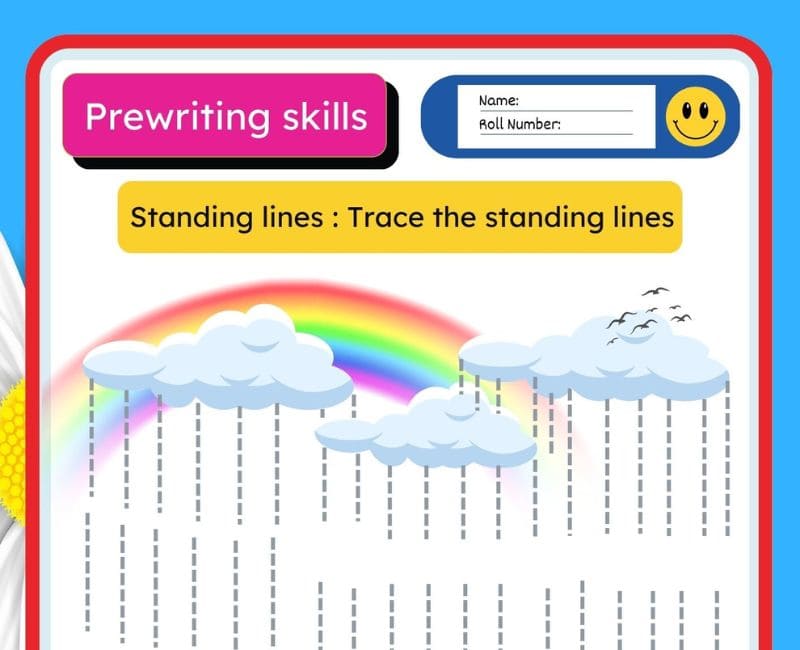
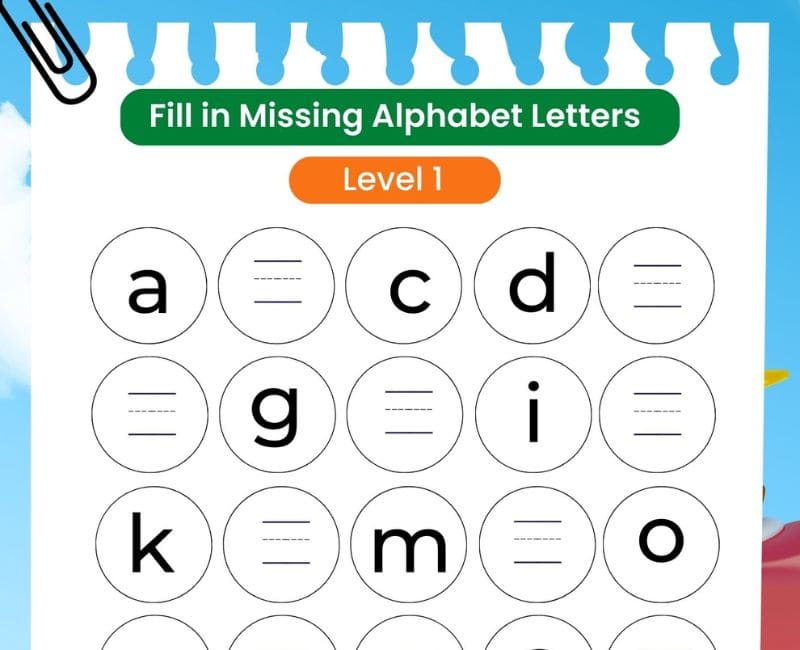
Continue learning with alphabet matching worksheets , A to Z alphabet worksheets and prewriting skills worksheets .
❓ Frequently Asked Questions
What are phonics flashcards for nursery?
They are learning cards that introduce letters and their common sounds using pictures and example words.
How do phonics flashcards help children?
They provide opportunities to connect written letters with spoken sounds and familiar vocabulary.
Are phonics flashcards suitable for nursery kids?
Yes. Simple picture-based beginning-sound activities are suitable for early learners.
What is the difference between letter names and sounds?
A letter name identifies the letter. A letter sound is a sound that the letter can represent in a spoken word.
Can children hear phonics sounds online?
The interactive flashcards include a browser speech button for example words. Availability and pronunciation depend on browser speech support.
How many phonics flashcards are included?
The interactive collection contains 26 A to Z picture flashcards.
Are there interactive phonics games?
Yes. Ten games include matching, sorting, memory and picture-based activities.
Can I download printable phonics flashcards?
Use the existing PDF download option on this WitKnowLearn worksheet page.
 Download