Explore Numbers up to Fifty! 🔢🌟
Scroll down for 20 quiz questions and 10 clickable games and activities. Repair number trains, build tens and ones, write missing numbers and solve number clues.
👇 Your 11–50 number adventure starts below! 😊
📝 Counting Numbers 11 to 50 Quiz for LKG
20 questions: 5 easy, 7 average and 8 thinking questions. An adult can read aloud. Tap an answer to move automatically to the next question. Use numbered buttons or Previous/Next to revisit any question. The 20-minute timer starts with the first answer or question change.
⏱ Time left: 20:00
Question 1 of 20 • Easy • Answered 0/20
Which number matches this word?
Question navigation — green means answered.
🎮 Numbers 11 to 50 Online Games for LKG
Repair an 11–20 train, guide a counting robot, match tens and ones, pack counter orders and sort number mail. Choose one game at a time. 😊
1. 🚂 Repair the 11–20 Number Train
Three tickets are missing. Write them in counting order.
Ready to play!
2. 🤖 Guide the Counting Robot
Tap numbers in order from 21 to 30. The robot moves only when the next number is correct.
Start by finding 21.
3. 🃏 Tens-and-Ones Memory
Match a tens-and-ones description with its written number.
Find four description–number pairs.
4. 📦 Pack the Counter Order
Use bundles of ten and single counters. Pack exactly the number on the order card.
Order card: 34 counters.
Packed so far: 0.
5. 📮 Sort the Number Mail
Tap a number letter, then choose its correct number-range box.
0/6 letters sorted.
🧠 Count and Write Numbers 11 to 50 Activities for JR KG
Regroup counters, repair a number strip, write neighbouring numbers, discover hidden ones and build numbers from clues. An adult can read the short prompts.
6. 🔄 Bundle the Loose Counters
There are two tens and fourteen singles. Exchange ten singles for one bundle. Leave fewer than ten loose counters.
Now: 2 bundles and 14 singles. The total remains thirty-four.
7. 🔧 Repair the Number Strip
One ticket breaks the counting sequence. Tap that ticket and write the correct number.
Find the wrong ticket.
8. 🏠 Write the Number Neighbours
Complete both neighbouring house numbers: one before and one after the middle house.
Middle house: 26.
Write both neighbouring numbers.
9. 🕵️ Build the Hidden Ones
The total is forty-seven. Four bundles and two singles are visible. Build the missing group of single counters.
Extra singles built: 0. Target total: forty-seven.
10. 🧠 Build a Number from Clues
Choose tens and ones to satisfy the number clues. Each bundle contains ten counters.
Greater than forty and smaller than fifty. Its ones digit is two.
Your number: 0.
📄 Count and Write Numbers 11 to 50 Worksheet for LKG
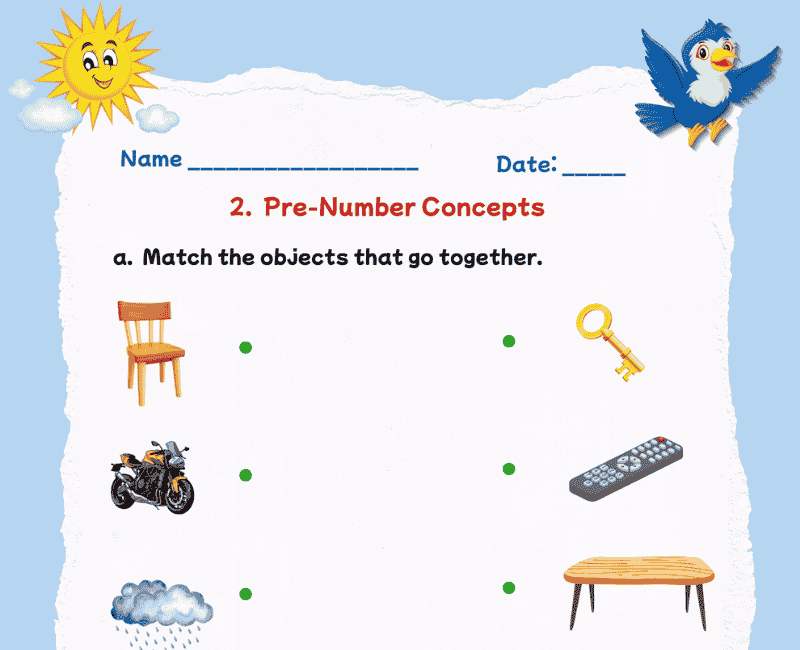
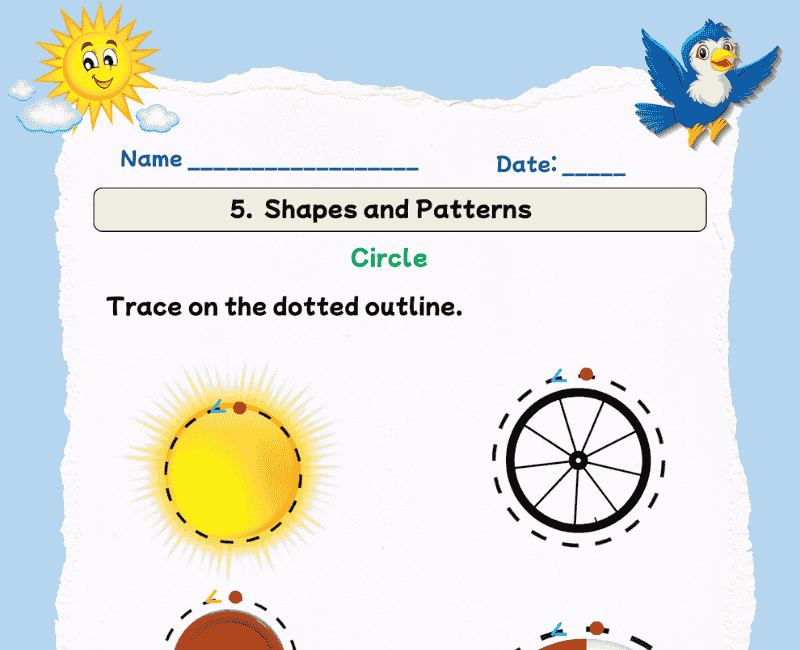
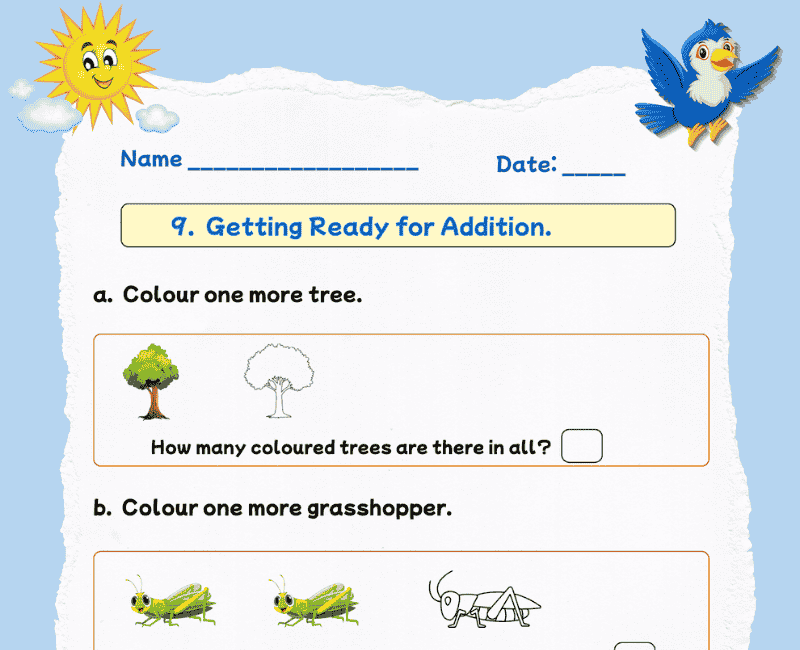
Use the existing download option near the top of this page for the printable worksheet. Say the number, count or build its quantity and practise writing the matching numeral on paper.
📖 Read the LKG counting 11 to 50 learning guide
A count and write numbers 11 to 50 worksheet for LKG connects number order, written numerals and quantities. Children extend their first counting experiences by exploring teen numbers, then the twenties, thirties and forties before reaching fifty. Junior Kindergarten, also called JR KG, learners benefit from small steps and plenty of opportunities to build and explain numbers.
Start with a range the child understands. Practise eleven to twenty before extending the sequence. Say numbers aloud, point to their written forms and count manageable groups of objects. Reciting a long sequence is useful practice, but also check that children can connect a number to an actual quantity rather than repeating number words alone.
Groups of ten make larger collections easier to organise. Make one bundle containing ten counters and place four extra counters beside it. The group represents fourteen. Three complete bundles and four extra counters represent thirty-four. Every bundle should contain exactly ten objects. Ask children to count the bundles by tens, then count on through the extra singles.
Connect the groups with the written digits. In 34, the 3 represents three tens and the 4 represents four ones. Compare fourteen and forty-one using objects to show why reversing digits changes the number. Zero also matters: thirty has three tens and no extra ones, while fifty has five tens and no extra ones.
Give special attention to counting across the tens boundaries. Children may know the twenties but hesitate after twenty-nine. Build twenty-nine with two tens and nine singles, then add one more single. The ten singles can be bundled to make a third ten. Repeat the idea when moving from thirty-nine to forty or forty-nine to fifty.
Writing practice should connect with meaning. Say the number, identify or build the quantity and then write the numeral. Use a consistent numeral-formation model on paper. If pencil control is still developing, children can select numerals or type short answers while practising handwriting separately. Keep the task clear and avoid covering a whole page of unfamiliar numbers at once.
The 20-question quiz includes five easy, seven average and eight thinking questions. Children complete sequences, recognise quantities grouped into tens and ones, compare numbers and reason about changed groups. The light answer cards use bold text and colourful letter badges. An answer advances automatically, and numbered navigation allows manual review before submission.
The ten online games and activities add active practice. Children repair number tickets, follow a counting route, match number representations and pack a requested quantity. They also regroup loose counters without changing the total, correct a faulty number strip and write both neighbours of a number. Hidden-ones tasks and number clues invite explanation and checking. Parents and teachers can shorten a session, begin with easier counting and extend the range gradually as the child becomes confident.
💬 Counting Numbers 11 to 50 FAQs for LKG
😊 How can I teach counting from 11 to 50 in LKG?
Use short ranges first. Connect spoken numbers with written numerals and quantities, then practise counting across twenty, thirty, forty and fifty as understanding develops.
🧺 Should children count fifty objects one by one?
They can count small collections individually, but groups of ten help organise larger quantities. Build each group carefully, count the tens and then count the extra ones.
🔢 How do I explain tens and ones to a JR KG child?
Make bundles with exactly ten counters each. Keep extra single counters separate. Two bundles and three singles make twenty-three, written as 23.
🤔 Why does my child say forty after twenty-nine?
Changing to a new tens group can be confusing. Build twenty-nine with two tens and nine singles, add one single and bundle the ten singles to show why thirty comes next.
🔄 How can I help a child who confuses 14 and 41?
Build both numbers with bundles and singles. Fourteen has one ten and four ones; forty-one has four tens and one one. Match each quantity to its written numeral.
🫙 What does the zero mean in 20, 30, 40 and 50?
It shows that there are no extra ones beyond the complete tens. Thirty has three tens and zero ones.
✏️ How should children practise writing two-digit numbers?
Say the number, connect it to a quantity and show a consistent writing model. Practise a small selection on paper. Keep counting practice and handwriting support manageable.
🏠 How do I teach before and after numbers?
Use a short number strip. The number before is one less and the number after is one more. Practise both neighbours around a given middle number.
🧠 Which number activities develop thinking skills?
Ask children to repair a wrong sequence, regroup counters without changing the total, build a number from two clues or find missing singles in a known quantity.
🌱 When should children move beyond fifty?
Extend the range gradually when the child can recognise and order familiar numbers, connect them with quantities and count across tens boundaries. Follow classroom learning and the child’s readiness.
 Download