
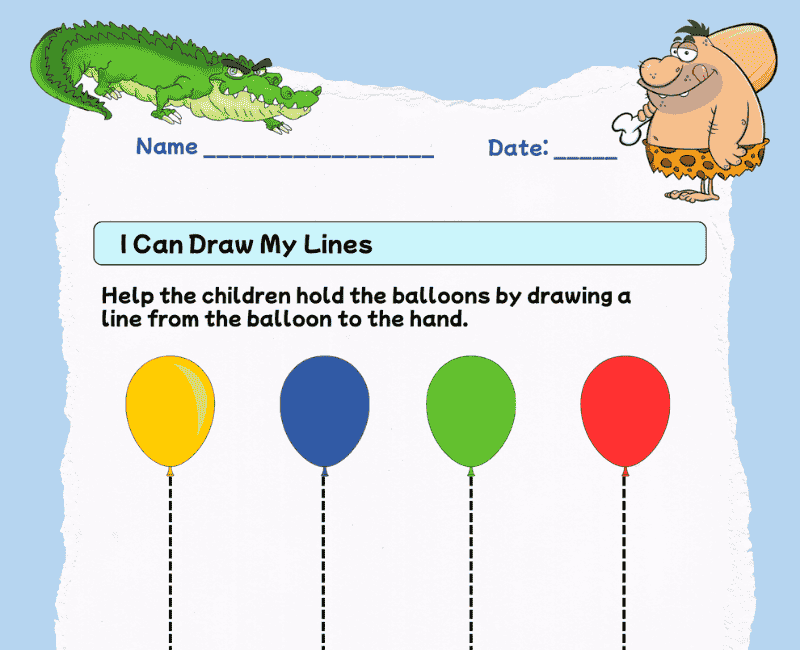
Little Lines, Big Learning! ✍️🌈
Scroll down for 20 quiz questions and 10 clickable games and activities. Trace a path, guide a bee, repair a bridge and plan a robot route!
👇 Your tracing-line adventure starts below! 😊
📝 Tracing Lines Quiz for LKG and Kindergarten
20 questions: 5 easy, 7 average and 8 thinking questions. An adult can read aloud. Tap an answer to move automatically to the next question. Use numbered buttons or Previous/Next to revisit any question. The 20-minute timer starts with the first answer or question change.
⏱ Time left: 17:25
Question 16 of 20 • Thinking • Answered 0/20
Your pencil leaves the guide. What is a useful next step?
Question navigation — green means answered.
🎮 Tracing Lines Online Games for LKG and Kindergarten
Try one tracing board and four different games: a garden route, line memory, sorting and a pattern train. Choose one game at a time. 😊
1. ✍️ Rainbow Path Tracing
Choose a guide. Start at green and follow the dotted path to red with your finger, mouse or pen.
Green means start. Red means finish. Trace slowly. 😊
2. 🐝 Bee Garden Route
Help the bee reach the flower. Tap neighbouring squares; avoid the pond.
Ready to play!
3. 🃏 Line Memory Match
Find identical line pairs. Reveal two cards at a time.
Find four pairs.
4. 📮 Sort the Line Post
Sort four line cards into straight or bending. Choose a box for each card, then check.
Ready to play!
5. 🚂 Build a Line Pattern
The train repeats curve, slant, curve, slant. Add the next four tickets.
⌒ ╱ ⌒ ╱ →
Ready to play!
🧠 Pre-writing and Pencil Control Activities for Junior KG
Build, repair, turn and plan! These five activities practise looking carefully and thinking about paths. An adult can read the instructions.
6. 🏗️ Build a Corner Sign
Build this corner: │ down the left and — along the bottom. Tap the two pieces in order.
Ready to play!
7. 🔧 Repair the Broken Bridge
Move the loose bridge piece left or right until it fills the gap.
Ready to play!
8. 🔄 Turn the Arrow
Turn the arrow until it points up. Each tap makes one quarter-turn clockwise.
→
Ready to play!
9. 🧩 Plan a Careful Drawing
Arrange these steps into a helpful order. Tap them one by one.
Your plan appears here.
Ready to play!
10. 🤖 Programme the Path Robot
Plan four moves from the top-left 🤖 to bottom-right ⭐. Avoid the centre block. Build your plan, then run it.
Plan: empty
Ready to play!
📄 English Tracing Line Worksheets for LKG and Kindergarten
Use the existing download option near the top of this page to access the printable worksheet. Practise on paper alongside these online pre-writing activities.
📖 Read the tracing lines and pencil control learning guide
English tracing line worksheets for LKG introduce the strokes children use before forming letters. Standing, sleeping, slanting, curved, wavy and zigzag lines give young learners different paths to follow. The aim is to notice direction, guide a mark and connect hand movement with what the eyes see. These small steps prepare children for later handwriting practice.
In India, this early learning stage is commonly called Lower Kindergarten, LKG, Junior KG or JR KG. Families searching internationally may use kindergarten tracing lines worksheets or pre-writing activities. Grade names and expectations vary between countries, so choose the starting point that suits the child rather than relying on the label alone.
Begin with a large, clear line. Show its start and finish, then invite the child to follow it with a finger before using a pencil. A sleeping line travels across the page, while a standing line travels up or down. Use these familiar classroom names alongside horizontal and vertical when appropriate. Slanting lines lean, and curved lines bend smoothly.
Introduce different paths gradually. Wavy lines have gentle bends, while zigzag lines change direction at corners. Children can pause at a corner and turn carefully instead of rushing. If a narrow guide is frustrating, return to a larger version. Keep practice short and encouraging, with breaks when the child becomes tired or loses interest.
The online tracing board includes six guide choices, a visible green start dot and a red finish dot. Children can use a finger, mouse or compatible touchscreen pen to make a red stroke. Undo removes the last stroke and Clear Drawing provides a fresh guide. The board supports visual comparison; it does not grade handwriting accuracy or replace pencil practice on paper.
The tracing lines quiz checks recognition, direction and simple reasoning. Its twenty questions include five easy, seven average and eight thinking questions. An adult can read them aloud. Selecting an answer moves to the next question, while numbered navigation allows children to revisit their choices. The timer and Submit Quiz button stay inside the quiz section.
The other games offer different ways to explore pre-writing ideas. Children guide a bee around a pond, remember matching strokes, sort line cards and extend a repeating pattern. They then build a corner sign, repair a broken bridge, turn an arrow, order a drawing plan and programme a short robot route. These tasks invite observing, predicting, checking and trying again rather than repeating the same quiz questions.
Parents and teachers can connect the screen activities with everyday play. Make paths with string, arrange sticks into corners or draw a broad route between two pictures. Ask, “Where will you turn?” or “How could you go around the obstacle?” Move towards letter tracing when the child is comfortable with simple strokes, and follow the handwriting model used in their classroom. Encourage careful effort and useful explanations rather than expecting perfect lines immediately.
💬 Tracing Lines Worksheets FAQs
😊 Why are tracing lines important for LKG children?
They offer practice following a guide, noticing direction and controlling a mark before letter formation. Combine worksheets with playful drawing and hands-on activities.
😊 What types of lines should children practise before writing letters?
Common pre-writing paths include standing, sleeping, slanting, curved, wavy and zigzag lines. Start with a few large, simple guides and add variety gradually.
😊 How can I teach tracing lines to a Junior KG child?
Show the start and finish, model the movement and let the child follow with a finger. Then offer a large paper guide and a comfortable writing tool.
😊 Should my child master every line before tracing the alphabet?
Use readiness and classroom guidance. Children can explore familiar letters while continuing simple stroke practice; perfect tracing is not a prerequisite for every learning activity.
😊 What can I do if my child goes outside the tracing lines?
Try a wider guide, slow the task down and model one small section. Praise careful effort, give breaks and avoid requiring repeated pages when the child is frustrated.
😊 How long should a tracing practice session be?
Use a short, comfortable session and stop or change activity when interest or comfort drops. A few purposeful attempts can be more useful than a long page of repetitions.
😊 Are finger tracing and screen tracing enough for handwriting?
They offer another way to explore movement and direction. Also provide drawing, play and suitable pencil practice on paper to develop experience with physical writing tools.
😊 How can I make pencil control practice interesting?
Use paths between pictures, string routes, line patterns and obstacle challenges. Ask children to plan a route, explain a turn or repair a gap.
😊 What is the difference between tracing lines and tracing letters?
Line tracing focuses on individual paths and strokes. Letter tracing combines strokes into a particular letter form, following the classroom handwriting model.
😊 Are LKG, Junior KG and kindergarten worksheets suitable for the same child?
LKG and Junior KG are common Indian names for an early kindergarten stage. Kindergarten labels vary internationally; choose resources by the child’s current skills and school expectations.
 Download


