A to Z: Match, Build, Explore and Trace! 🔤🌈
Scroll down for 20 quiz questions and 10 clickable alphabet games and activities. Deliver letter mail, build a train, find hidden letters and make a picture book.
👇 Your alphabet adventure starts below!
📝 A to Z Alphabet Activity Quiz for LKG
20 questions: 5 easy, 7 average and 8 thinking questions. The questions cover letter recognition, matching cases, picture words and alphabet order. An adult can read each question and option. Tap an answer to move automatically; use Previous, Next or numbered buttons to revisit. The 20-minute timer starts with the first answer or question navigation. Correct answers appear after submission.
⏱ Time Left: 20:00
Question 1 of 20 • Easy • Answered: 0/20
Which capital letter is shown?
Question navigation — green means answered.
🎮 A to Z Alphabet Online Games for LKG
Explore every letter, match cases, play memory, build a train and sort picture words. Choose one game at a time.
1. 🔤 A–Z Letter Explorer
Choose any letter. Reveal its two forms and example word. X is shown in fox, where it occurs at the end.
Say A and Apple.
2. 📮 Deliver Letter Mail
Select a small-letter envelope, then its capital-letter mailbox. Match six pairs.
Ready to play!
3. 🃏 Capital–Small Memory
Reveal two cards and find the four matching pairs.
Find four pairs.
4. 🚂 Build the Middle Alphabet Train
Arrange M, N, O, P, Q, R. Tap tickets in order. Undo changes your last choice.
🚂 Empty train
Ready to play!
5. 🧺 Beginning-letter Baskets
An adult says the picture words. Select a card, then the basket for its beginning letter.
Ready to play!
🧠 Alphabet Online Activities for Junior KG
Find letters, repair labels, create a picture book, build a letter and trace all 52 capital and small forms. An adult can read the instructions.
6. 🔍 Find Every Small b
Tap all the b cards in a mixed letter board. Tap again to change a choice, then check.
Ready to play!
7. 🔧 Repair Letter Labels
Give each capital letter its matching small form. All three labels start incorrectly.
Ready to play!
8. 📖 Make a Late-letter Picture Book
Complete pages S, T, U, V, W and Z. Choose the picture word beginning with the page letter.
S s
Ready to play!
9. 🏗️ Build E and Change It to F
Tap pieces to build capital E. Check it, then remove only the bottom bar and check again.
Ready to play!
10. ✍️ Trace A–Z and a–z
Choose any capital or small letter. Trace with one red pen. Undo removes the latest stroke; Clear keeps your guide. Follow the classroom handwriting model.
Ready to play!
📄 42 Pages Alphabet A to Z Activity Worksheets for LKG
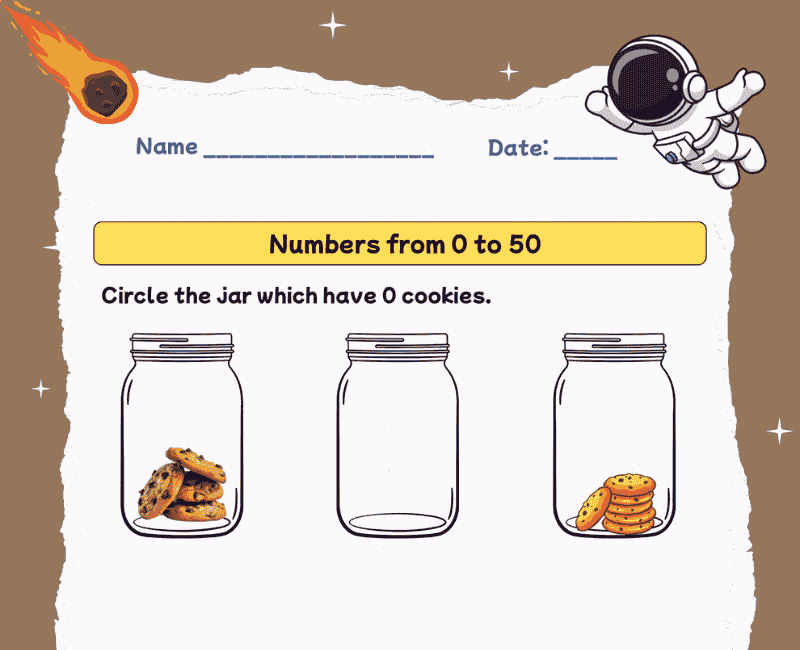
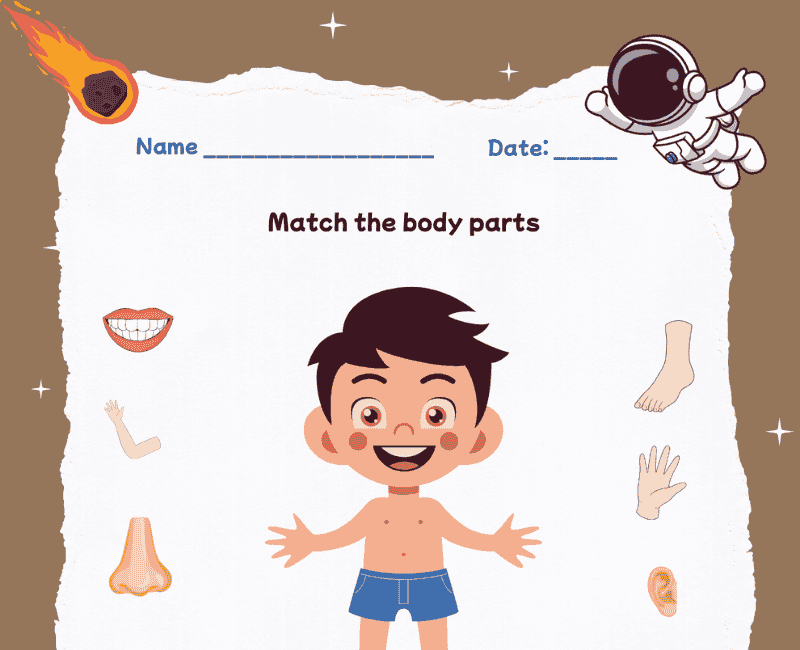
Use the existing download option on this page for the printable alphabet activity worksheet pack. Combine paper practice with the separate online quiz and games above.
📖 Read the A to Z alphabet activity learning guide
Alphabet A to Z activity worksheets for LKG help children explore English letters through practical tasks. LKG is also called Junior KG or JR KG. Recognition, matching, ordering and guided writing give children several ways to revisit the same letters. Use the printable pack alongside short adult-supported activities rather than expecting every page to be completed at once.
Begin with letters the child already notices, such as the first letter of their name. Say the letter name, show its capital and small forms and invite the child to find a matching card. Capital H and small h have different shapes but represent the same letter. Learning to recognise a letter away from the alphabet song is a separate skill from remembering the song.
The letter explorer includes all 26 English letters and their small partners. Most examples show a familiar word beginning with the target letter. X is introduced through fox, where x occurs at the end. This avoids treating the first sound of xylophone as the usual sound of x in box or fox. An adult can name unfamiliar pictures before a child tries to match them.
Letter names and sounds have different purposes. The name of S identifies the letter; /s/ is its beginning sound in sun. Say words naturally and use the sound found in the specific example. Letters can represent different sounds in different words, so early practice should use a small, familiar set rather than an absolute rule about each letter.
Matching games develop attention to letter forms. Compare small b, d, p and q slowly and use the handwriting model taught in class. The letter hunt allows children to select and reconsider several cards before checking. Repairing labels asks them to explain which two forms belong together, adding reasoning to simple recognition.
Alphabet order can be practised in short sections. The online train focuses on M to R, while the picture book revisits later letters including S, T, U, V, W and Z. Movable paper cards offer another way to arrange a sequence, remove a card and find what belongs in the gap. Children can use the alphabet song as support, then identify the individual cards.
The twenty-question quiz includes five easy, seven average and eight thinking questions. Answers appear only after submission. The timer is a navigation feature for the online practice, not a developmental target. An adult may read aloud and use the results to choose letters for further practice. The ten interactive tasks offer matching, memory, sorting, construction and tracing beyond multiple-choice questions.
Optional tracing includes all 52 capital and small forms, a red pen, Undo and Clear. The displayed outlines are letter guides rather than a prescribed stroke sequence. Demonstrate movement and pencil control using the classroom approach on paper. Finish a session by asking the child to find a familiar letter in a book or label and describe what they recognise.
💬 A to Z Alphabet Activity Worksheet FAQs
😊 How do I teach A to Z to an LKG child?
Start with a few familiar letters. Show both forms, say the name, match cards and revisit through playful tasks. Gradually include more letters.
😊 Should I teach capital or small letters first?
Follow the classroom approach and show how the two forms belong together. Both forms are useful: capitals appear in names and labels, while small letters are common in books.
😊 Why can my child sing the alphabet but not recognise letters?
Remembering a sequence and identifying a written symbol are different skills. Practise finding single letters in mixed cards and matching their forms.
😊 What alphabet activities can we do at home?
Try letter mail, a card memory game, finding letters in a book, arranging a short alphabet train or making a picture alphabet book.
😊 How can I help with b and d confusion?
Compare a small number of clear examples and use the handwriting model taught in class. Give time to notice each form and revisit without rushing.
😊 What is the difference between a letter name and a letter sound?
A name identifies the letter. A sound is what it represents in a particular word. S is named ess and represents /s/ at the start of sun.
😊 Does my child need to read the picture words independently?
No. An adult can name the pictures and read labels while the child recognises letters and listens to the words.
😊 How do I teach X with a picture word?
Fox and box show x at the end of a familiar word. Point out where x occurs. It need not be the first letter of every example.
😊 How many alphabet worksheets should a child complete at once?
Choose a manageable amount based on attention, interest and current learning needs. Revisit a few letters instead of treating the whole pack as one sitting.
😊 How do I download the A to Z activity worksheets?
Use the existing download option on this page. The quiz and interactive activities are separate online practice that you can use alongside the printable pack.
 Download