Stand, Sleep, Slant and Curve—Let’s Draw! ✍️👧👦🌈
Scroll down for 20 Hindi quiz questions and 10 clickable games and activities. Explore standing and sleeping lines, match path shapes, build simple models and trace with one red pen!
👇 Scroll down—your pre-writing adventure starts below!
📝 Hindi Pre-Writing Strokes Quiz for LKG
20 questions: 5 easy, 7 average and 8 thinking questions. An adult can read the Hindi questions and options aloud. Look at each line model, then tap an answer to move automatically. Use Previous, Next or numbered buttons to revisit. The 20-minute timer starts with the first answer or question navigation. Answers appear after submission. Drawing is not required for the quiz.
⏱ Time Left: 19:46
Question 17 of 20 • Thinking • Answered: 0/20
दोनों तिरछी रेखाएँ कहाँ मिलती हैं?
Question navigation — green means answered.
🎮 Standing and Sleeping Line Online Games for LKG
Explore shapes, match identical paths, sort straight and curved lines and build a crossing model. Choose one game at a time.
1. 🎁 Explore Stroke Shapes
Tap each shape name to reveal its path. An adult can say its Hindi name. Explore six paths.
Choose a stroke.
Ready to play!
2. 📮 Match Paths and Names
Select a path card, then its matching name. Match all four.
Ready to play!
3. 🃏 Stroke Shape Memory
Reveal two cards. Find identical path shapes. Match four pairs.
Find four matching pairs.
4. 🧺 Straight or Curved Baskets
Select a path, then place it in the Straight or Curved basket. Sort six paths.
Ready to play!
5. 🏗️ Build a Crossing Model
Add a standing line and a sleeping line to make the displayed crossing model. Tap a piece again to remove it.
Target model:
Ready to play!
✍️ Pre-Writing Stroke Activities for JR KG
Find standing lines, build a repeating pattern, connect zigzag dots and try optional SVG tracing. All basic controls are in English.
6. 🔍 Find All Standing Lines
Select every standing-line card. Tap a selected card again to remove it. Check the whole collection.
Ready to play!
7. 🚂 Build a Stroke Pattern
Follow the pattern: Standing → Sleeping → Standing → Sleeping. Add four tickets in order.
Empty pattern
Ready to play!
8. 🔵 Connect a Zigzag Path
Tap dots 1 to 5 in order to build a zigzag. Use Undo to remove the last step.
Ready to play!
9. ✍️ Trace Straight Strokes
Optional tracing: choose standing, sleeping or either slant. Use one red pen. The board records practice, not accuracy.
Ready to play!
10. 🌈 Draw Curves and Patterns
Optional drawing: trace a curve, circle, wave or zigzag. Hide the guide to try your own path. An adult can review it.
Ready to play!
📄 Beginner Hindi Pre-Writing Strokes Worksheet for LKG
This page focuses on standing, sleeping, slanting and curved line practice. Use the existing download option near the top of the page for the printable resource. The online quiz is separate practice scored out of 20.
📖 Read the beginner Hindi strokes practice guide
A beginner Hindi worksheet for LKG can begin with pre-writing strokes rather than a full alphabet lesson. Standing lines, sleeping lines, slanting lines and curves give children simple paths to look at, describe and draw. LKG is also called Junior KG or JR KG. Introduce these shapes through play, with an adult demonstrating a comfortable movement.
A standing line is vertical, a sleeping line is horizontal and a slanting line is straight but tilted. In Hindi, these can be described as खड़ी रेखा, लेटी रेखा and तिरछी रेखा. Curved paths bend rather than remain straight. Naming the path while showing it helps children connect the spoken description with the visual model.
Begin with a clear, large path. An adult can demonstrate a standing stroke from top to bottom and a sleeping stroke from left to right, following the approach used in class. These directions describe the models in this activity; the page does not prescribe every stroke used to form Hindi letters.
Tracing and copying offer different kinds of practice. Tracing follows a visible guide directly. Copying means looking at a model and drawing it elsewhere. The online SVG boards provide visible guides and a blank-board option, allowing children to switch between supported tracing and their own attempt when ready.
Drawing is only one way to participate. Children can point to a line, match identical cards, sort straight and curved paths or choose pieces for a model. The twenty-question quiz asks about shapes and simple patterns rather than requiring handwriting. Its five easy, seven average and eight thinking questions use Hindi prompts with English navigation controls.
The ten games and activities offer different tasks. A reveal explorer introduces paths, memory cards encourage noticing, and sorting baskets separate straight and curved examples. A builder combines one standing and one sleeping line. Pattern tickets and clickable zigzag dots let children explore sequences without needing to draw freely.
Optional tracing uses one red pen and separate SVG guide and ink layers. Undo removes the latest drawn stroke, Clear removes ink and keeps the current guide state, and changing the path clears the previous drawing. A completion button records an attempt. It does not automatically assess accuracy; an adult can look at the drawing and demonstrate again.
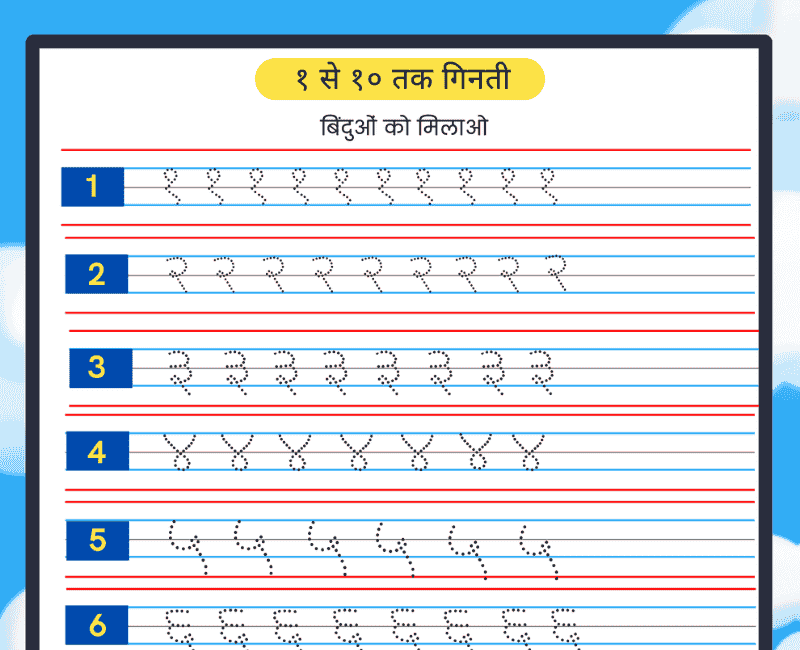
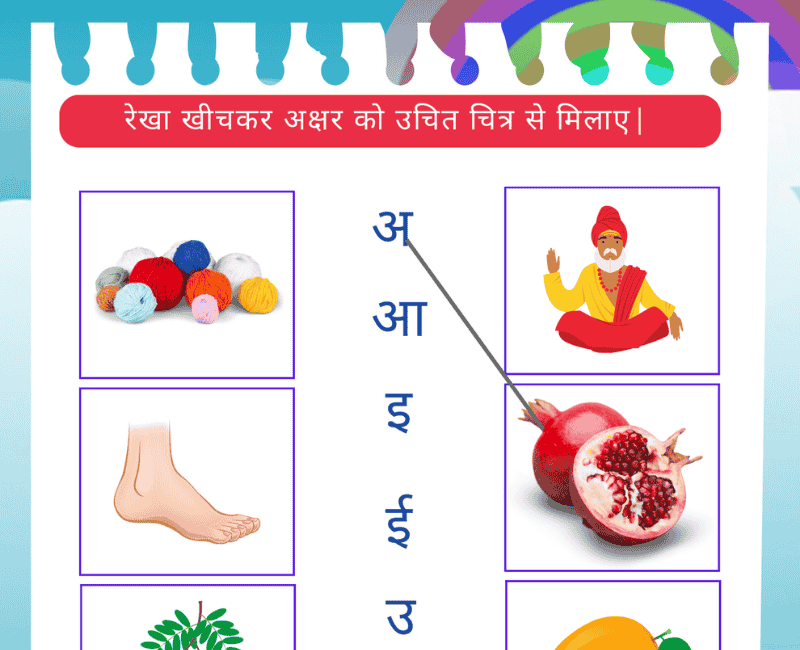
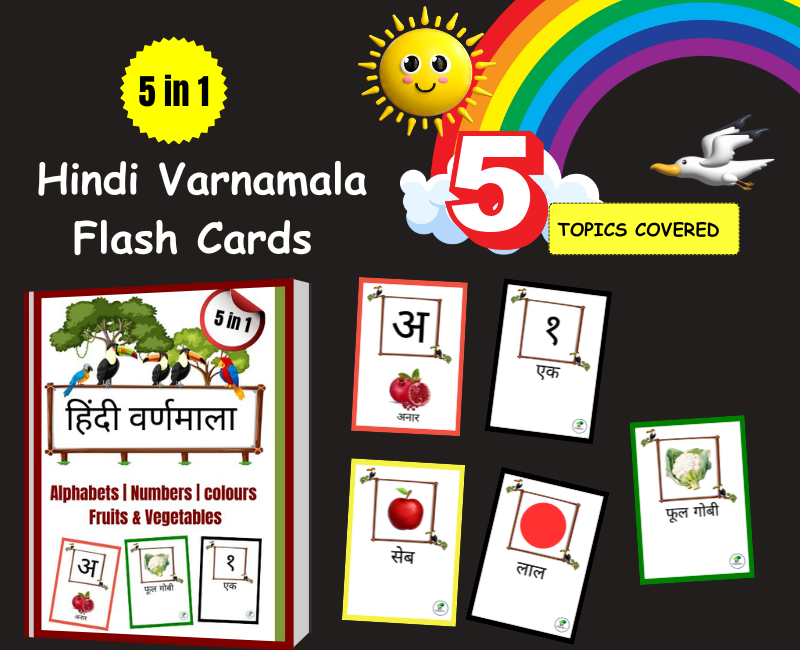
Use short sessions that fit the child’s attention and comfort. Combine online recognition with paper, crayons or other familiar classroom materials. For earlier practice, explore nursery Hindi handwriting strokes. When the child is exploring letters, related LKG Hindi tracing and varnamala picture resources provide another kind of practice. Preview the printable resource before choosing pages.
💬 Beginner Hindi Strokes Worksheet FAQs
😊 What are pre-writing strokes?
They are simple lines and paths used before or alongside letter writing, such as standing, sleeping, slanting and curved lines. Children can explore them through looking, matching and drawing.
😊 What is the difference between a standing and sleeping line?
A standing line is vertical: खड़ी रेखा. A sleeping line is horizontal: लेटी रेखा. Show both models side by side and name their directions.
😊 Is a slanting line straight or curved?
A slanting line is straight but tilted. A curved line bends. Comparing clear examples helps children notice the difference.
😊 How do I teach standing and sleeping lines to an LKG child?
Show one large guide, demonstrate the movement used in class and let the child point, trace with a finger or try a writing tool. Keep the attempt short and manageable.
😊 Should children practise strokes before Hindi letters?
Simple lines and curves can be useful movement practice. They may be offered before or alongside familiar letters, according to the child’s classroom learning and readiness.
😊 What is the difference between tracing and copying lines?
Tracing follows a visible path directly. Copying means looking at a model and drawing a similar path in another space. An adult can demonstrate both.
😊 How long should a pre-writing session last?
Use a short session suited to the child’s attention and comfort. Pause when the child is tired or frustrated, and alternate drawing with matching or other play.
😊 Can children use these games without drawing?
Yes. Matching, sorting, memory, model building and the quiz allow participation through pointing or tapping. Tracing is optional.
😊 Can I print the beginner Hindi worksheet?
Use the existing download option near the top of this page and preview the resource before printing. The online activities are separate practice.
😊 Does the online board check whether a line is correct?
No. It provides guides and drawing controls. The completion button records practice; an adult can review the attempt.
 Download