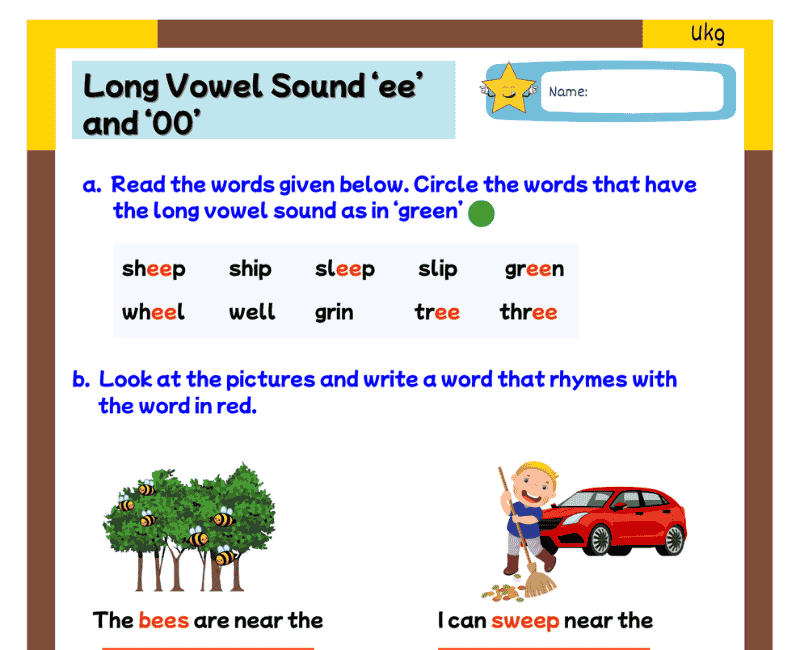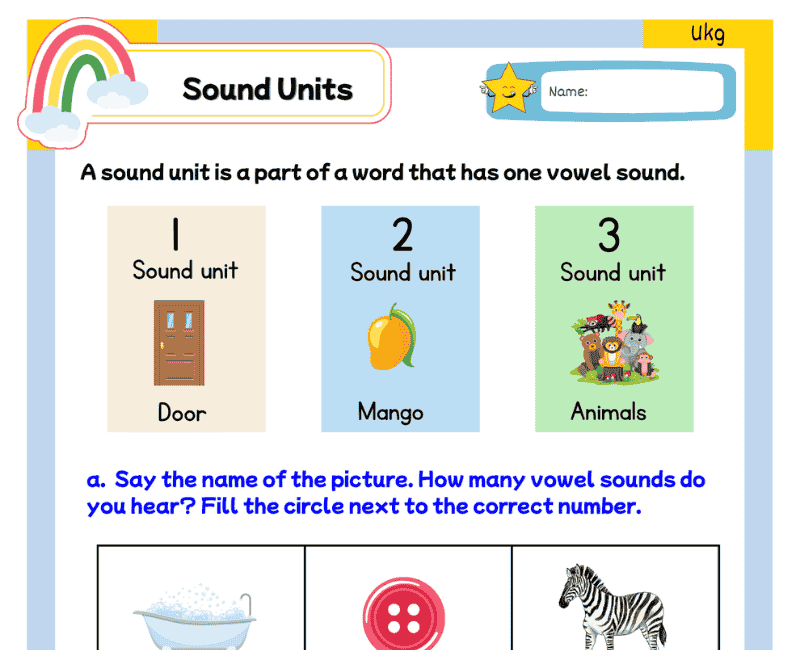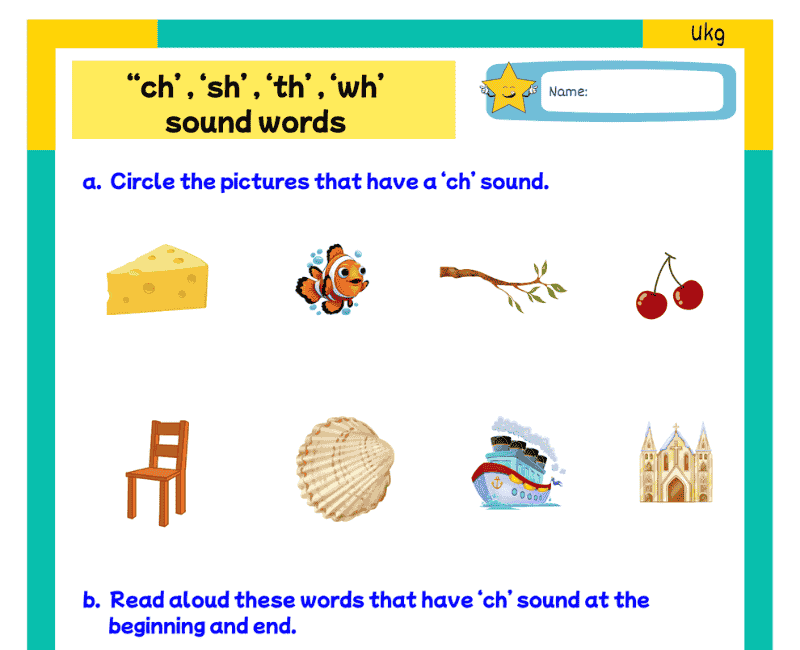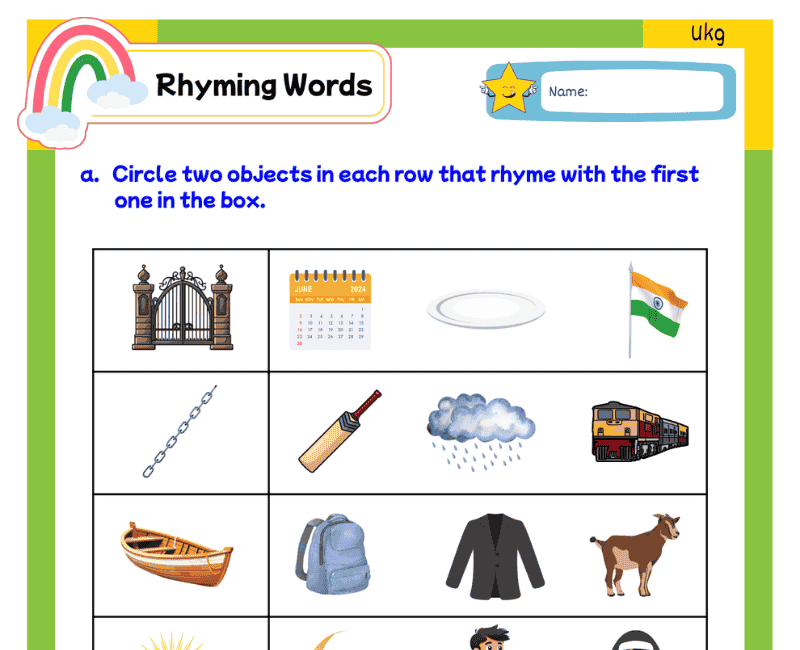
Big or Small? Discover the Opposites! 🐘🐭🌈
20 quiz questions and 10 interactive opposite-word activities. Match pairs, fill and empty a cup, build towers and draw an opposite!
📝 Opposite Words Quiz for UKG
⏱ Time Left: 20:00
Question 1 of 20 • Answered: 0/20
What is the opposite of big?
Question navigation — green means answered.
🎮 Opposite Words Games for UKG
1. 🔄 Flip Opposite Cards
Choose a word and flip its card to reveal the opposite used here.
Ready to play!
2. 🤝 Join Opposite Words
Tap two word cards with opposite meanings.
Ready to play!
3. 🃏 Opposite Pair Memory
Reveal two cards and find opposite pairs.
Find four opposite pairs.
4. 🥤 Fill and Empty the Cup
Make the cup full at its marked line, then empty it completely. Partial levels are named too.
Make FULL. Current: empty
Ready to play!
5. 🏗️ Build the Short Tower
The blue tower has five blocks. Make the orange tower shorter by using one or two blocks.
Ready to play!
🧠 Opposite-word Activities for SR KG
6. 📏 Make the Opposite Length
The blue strip is long. Make the orange strip short using one or two length units.
Ready to play!
7. 🔧 Repair Opposite Labels
Every opposite label starts wrong. Choose a fitting opposite for each phrase.
Ready to play!
8. 🧺 Sort Meanings of Light
Choose a phrase with light. Match its meaning to the opposite heavy or dark.
Ready to play!
9. 📖 Build an Opposite Sentence
Build: The cup was full but is empty now. Read both opposite words.
Ready to play!
10. ✍️ Draw Big and Small
A big blue circle is shown on the left. Draw a small circle on the right with the red pen. An adult checks the comparison.
Ready to play!
📄 Worksheet of Opposite Words for UKG and SR KG
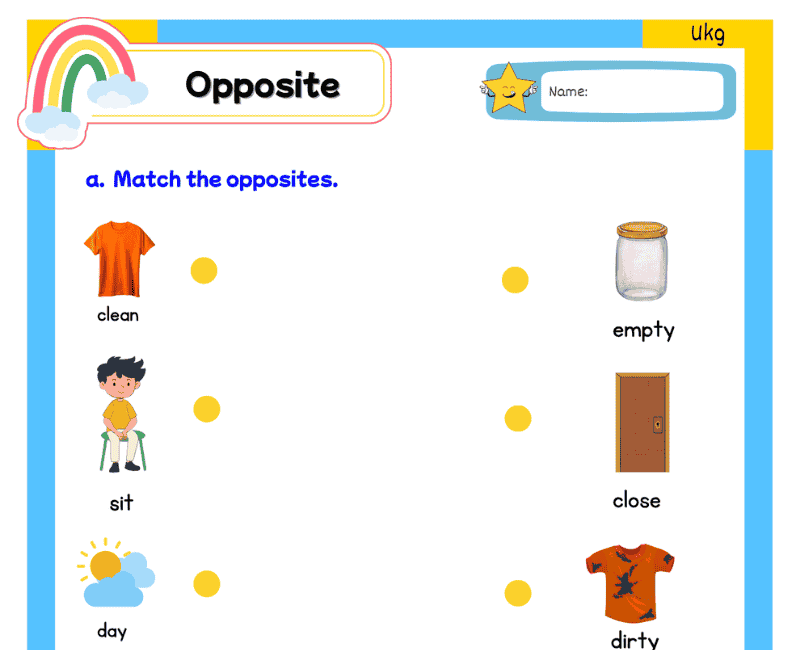
Use the existing download option on this page for the printable worksheet. These online games provide additional opposite-word practice.
📖 Read the opposite words learning guide
A worksheet of opposite words for UKG helps children compare meanings and describe familiar objects, actions and situations. UKG is also called Senior KG or SR KG. These opposite-word activities introduce pairs such as big and small, tall and short, full and empty, open and closed, and happy and sad.
Begin with a pair that children can see or act out. Show two otherwise similar balls of different sizes and say big ball and small ball. Open a box, close it and name both states. Keeping other features similar makes the intended difference clear. A change in colour alone does not show that one object is bigger or smaller.
Opposites have contrasting meanings in a particular context. Different objects are not automatically opposites: a cat and a dog are different animals, but their names do not form an opposite pair. Ask what property is being compared, such as size, height, length, temperature or position.
Teach tall and short separately from long and short. Compare towers on the same baseline to discuss height. Compare horizontal strips with their starting ends aligned to discuss length. The word short can belong to either pair, depending on whether the sentence describes height or length.
Full and empty activities connect words with changes in quantity. Fill a container to its marked full line, then remove the contents until none remain. A partly filled cup is neither empty nor full. The online cup game names this middle state so children are not asked to treat every amount as one of two extremes.
Context also matters for light. A light bag contrasts with a heavy bag when discussing weight. A light room contrasts with a dark room when discussing brightness. Use a complete phrase or sentence so the intended meaning is clear, rather than teaching one opposite for every use of a word.
Opposite words worksheets with pictures support vocabulary when children already understand what the pictures represent. Name the objects and describe the comparison before asking for an answer. Children can match word cards, repair an incorrect label or act out a movement such as up and down. An adult can read prompts and ask the child to explain the chosen pair.
The twenty-question online opposites quiz and ten interactive games complement the printable opposite words worksheet for SR KG. Children join pairs, change cup levels, adjust towers and strips, sort meanings and build a sentence. The drawing activity needs adult review. Encourage children to use both words in meaningful phrases and revisit familiar pairs before introducing less obvious contrasts.
💬 UKG Opposite Words Worksheet FAQs
😊 What are opposite words?
Opposite words have contrasting meanings in a particular context, such as big and small for size or full and empty for a container.
😊 How do I teach opposite words to a UKG child?
Use real objects, clear comparisons and actions. Name both words, let the child make the change and use the words in short phrases.
😊 Which opposite pairs can children practise first?
Try big and small, up and down, open and closed, full and empty, and happy and sad. Choose pairs the child can understand through examples.
😊 Are different words always opposites?
No. Cat and dog name different animals, but they are not an opposite pair. Opposites contrast in meaning.
😊 What is the opposite of short?
It depends on the meaning. For height, use tall. For length, use long.
😊 What is the opposite of light?
For weight, light contrasts with heavy. For brightness, light contrasts with dark. Give a sentence to show the meaning.
😊 Is a partly filled cup empty or full?
Neither. Empty means nothing is in it, and full means it has reached its full level. A partly filled cup is between those states.
😊 How can pictures help children learn opposites?
Show a clear comparison, such as two similar towers of different heights. Name the objects and the property being compared.
😊 Can children practise opposites without reading?
Yes. An adult can say a word while the child points, moves an object or acts out its opposite.
😊 How do I download the opposite words worksheet for UKG?
Use the existing download option on this page for the printable worksheet. The quiz and games provide additional practice.
 Download