Big or Small? Compare Them All! 🧸📏🌈
Explore size with 20 quiz questions and 10 interactive games. Sort shapes, build towers, line up ribbons and pack a parcel!
📝 Size Comparison Quiz for UKG
⏱ Time Left: 20:00
Question 1 of 20 • Answered: 0/20
Which ball is bigger?
Question navigation — green means answered.
🎮 Size Comparison Games for UKG
1. 🧸 Explore Three Sizes
Change the ball size. Compare each ball with the fixed middle ball.
The balls are the same size.
2. 🧺 Sort Size Baskets
Choose a ball card, then send it to the Small or Big basket.
Ready to play!
3. 🏙️ Build a Height Parade
Tap tower cards from shortest to tallest. Use Undo to change your order.
Empty parade
Ready to play!
4. 🃏 Equal-size Memory
Find matching sizes. Reveal two cards at a time.
Find three size pairs.
5. 🧱 Build Equal Towers
Add or remove blocks until your tower has the same height as the target.
Ready to play!
🧠 Big and Small Activities for SR KG
6. 🎀 Line Up the Ribbons
Move the lower ribbon until both left ends meet the dotted starting line.
Ready to play!
7. 🔧 Repair the Height Labels
Give each tower its correct label: Shortest, Middle or Tallest.
Ready to play!
8. 🔍 Collect Equal Sizes
Select every ball that matches the size of the target ball. Ignore colour.
Ready to play!
9. 📦 Fit the Parcel
Shrink the square parcel to match the dotted square exactly.
Ready to play!
10. 🌻 Grow a Height Garden
Grow or trim each stem to make A shorter than B, and B shorter than C. Start with equal stems.
Ready to play!
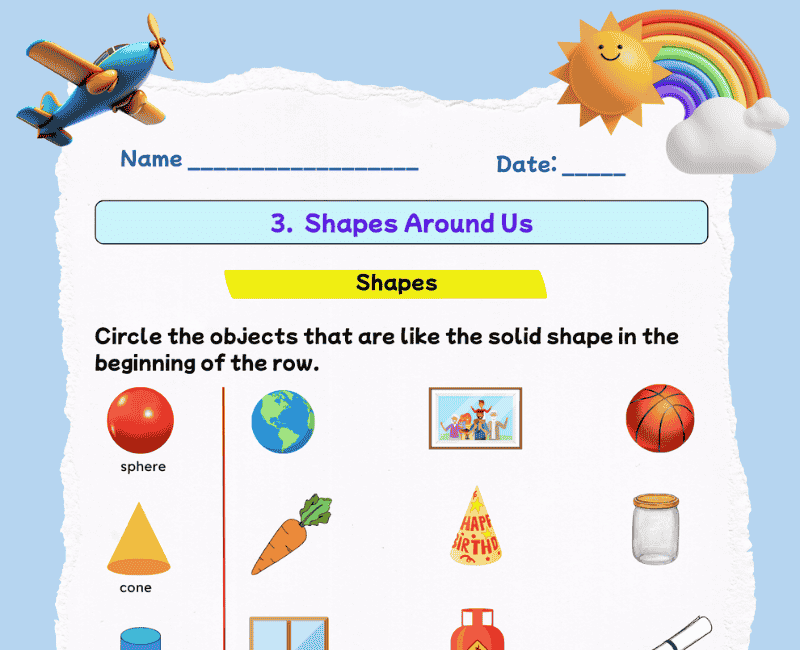
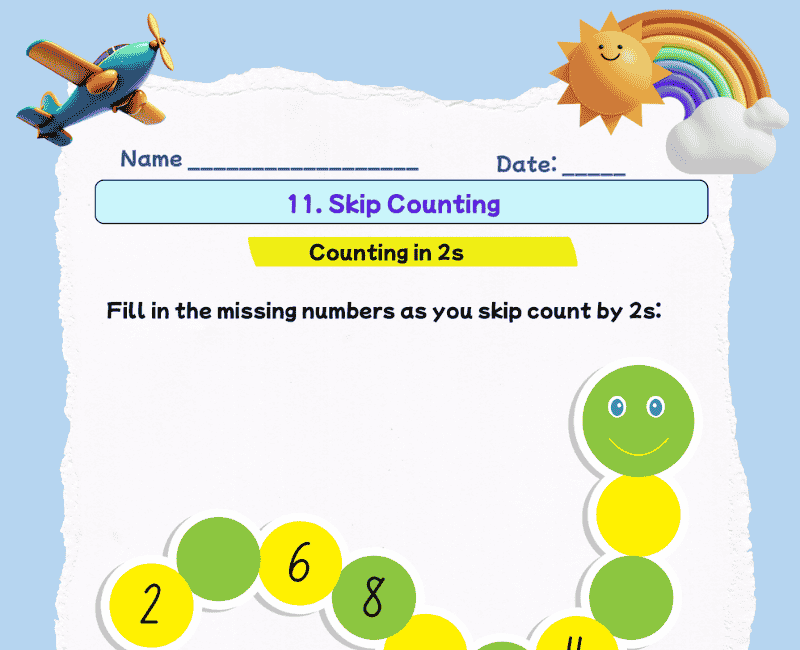
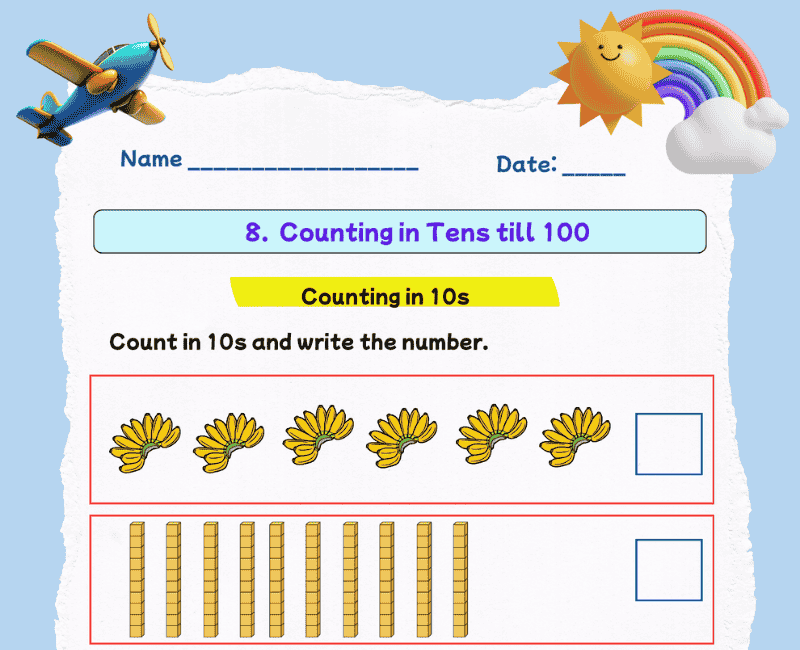
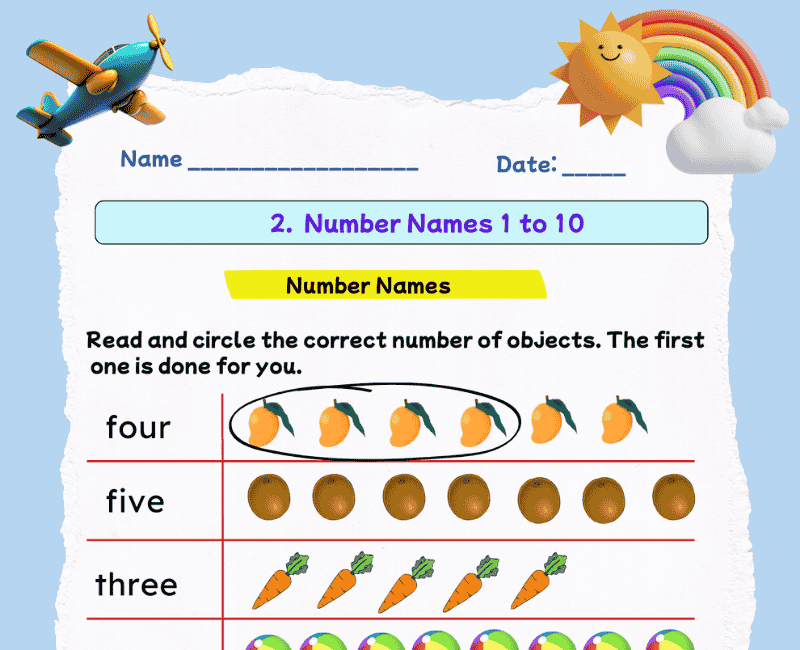
📄 Size Comparison Worksheets for UKG and SR KG
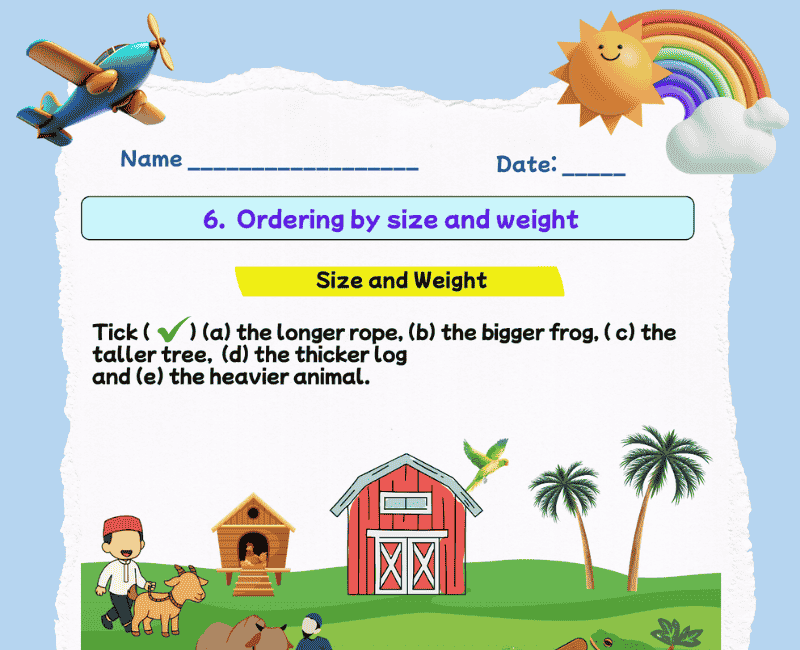
Use the existing download option on this page to access the printable worksheet. Add these online comparison games to your paper practice.
📖 Read the size comparison learning guide
Size comparison worksheets for UKG help children describe how objects differ in size, height and length. UKG is also called Senior KG or SR KG. This topic introduces words such as big, small, tall, short, long and equal through pictures and everyday objects. The printable worksheet and the online activities offer different ways to practise these ideas.
Begin big and small worksheets for kindergarten with two similar objects, such as two balls. Ask which is bigger and which is smaller. Use the same shape and colour at first so that children focus on size. Later, change the colour while keeping the size equal and discuss why a colour change does not make an object bigger.
For tall and short activities, place objects on the same surface. Two block towers are easier to compare when their bases line up. A raised shelf can make a short object appear higher without making it taller. Invite children to point from the bottom to the top of each tower before deciding which is taller.
Long and short worksheets for SR KG develop a related comparison skill. Place ribbons or pencils side by side with one end aligned. Look at the other ends to decide which reaches farther. Leave gaps between the objects so their full lengths remain visible. Moving a ribbon sideways changes its position, not its length.
After comparing two objects, introduce biggest and smallest or tallest and shortest in a group. Start with three clearly different sizes. Children can arrange cards, explain which belongs in the middle and reverse their order. A medium object can be bigger than one object and smaller than another, so comparison words depend on what is being compared.
Equal size deserves its own practice. Two shapes can be the same size even when their colours differ. Compare the relevant dimension carefully: equal height does not necessarily mean equal width. Use the vocabulary requested in the task, such as taller, longer or wider, instead of treating every difference as simply bigger.
Keep size and weight distinct. A large empty box may be lighter than a small stone. Children can explore heavy and light with suitable real objects and a balance under adult supervision. A picture showing size alone cannot establish weight. Likewise, near and far describe position rather than an object's actual size.
These UKG size comparison games include sorting, ordering, matching, building equal towers and adjusting a parcel to fit a space. The twenty-question online quiz provides further practice with explanations after submission. An adult can read the prompts and ask children to explain their choices. Use short sessions and return to real classroom objects to connect screen practice with everyday comparison.
💬 Size Comparison Worksheet FAQs
😊 What is size comparison for kindergarten?
It means comparing objects using words such as big, small, tall, short, long and equal. Children describe the feature they are comparing.
😊 How do I teach big and small to a UKG child?
Start with two similar objects of clearly different sizes. Let the child point, sort and describe them before using pictures.
😊 What is the difference between tall and long?
Tall describes vertical height. Long describes length. Compare towers by height and ribbons by length using clear examples.
😊 How do children compare two lengths fairly?
Place the objects side by side with one end aligned. Compare where the other ends finish.
😊 How do I teach biggest and smallest?
Offer three clearly different sizes. Find the biggest and smallest, then place the remaining object between them.
😊 Can an object be both bigger and smaller?
Yes, compared with different objects. A medium ball is bigger than a small ball and smaller than a large ball.
😊 Does a bigger object always weigh more?
No. Size alone does not establish weight. A large empty box can be lighter than a small stone.
😊 Can different-coloured shapes be the same size?
Yes. Colour and size are different features. Compare the dimensions rather than the colour.
😊 Why should the bases line up when comparing height?
A common starting level helps children compare the full heights fairly, without being misled by position.
😊 How do I download the size comparison worksheet for UKG?
Use the existing download option on this page. The quiz and games provide additional online practice.
 Download