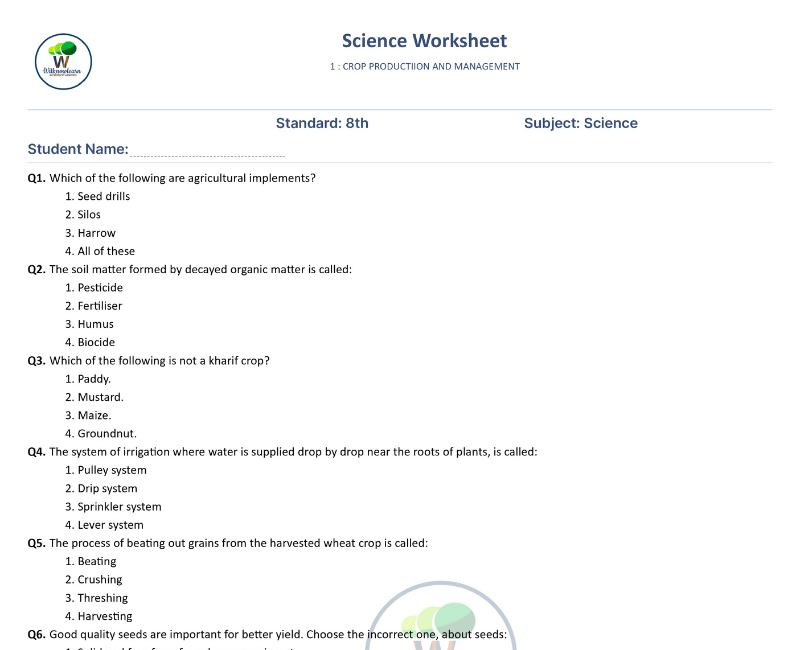
Crop Production and Management Worksheet with Online Quiz
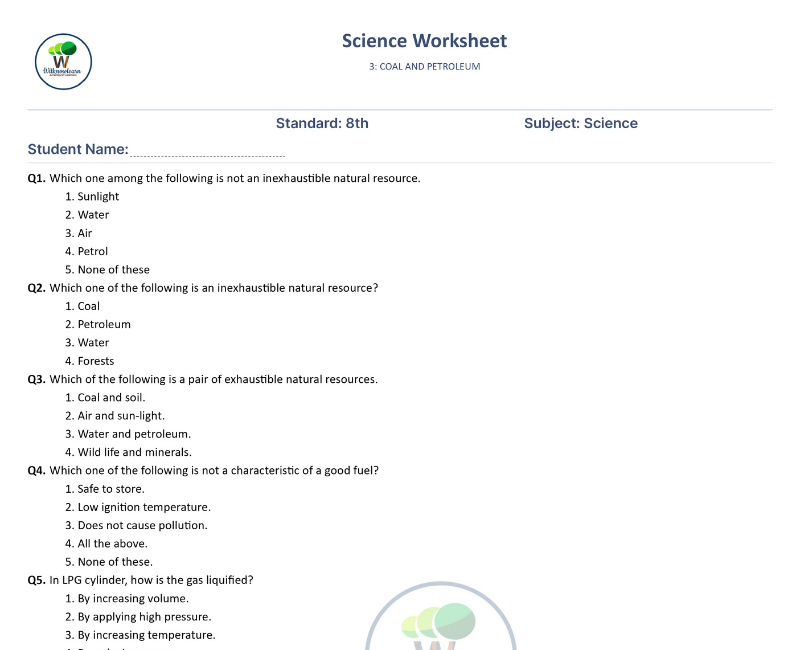
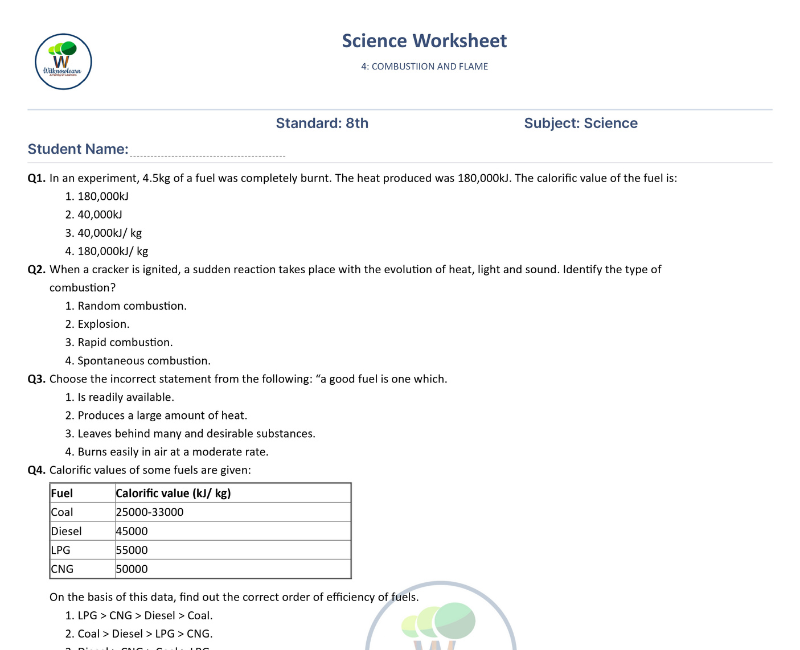
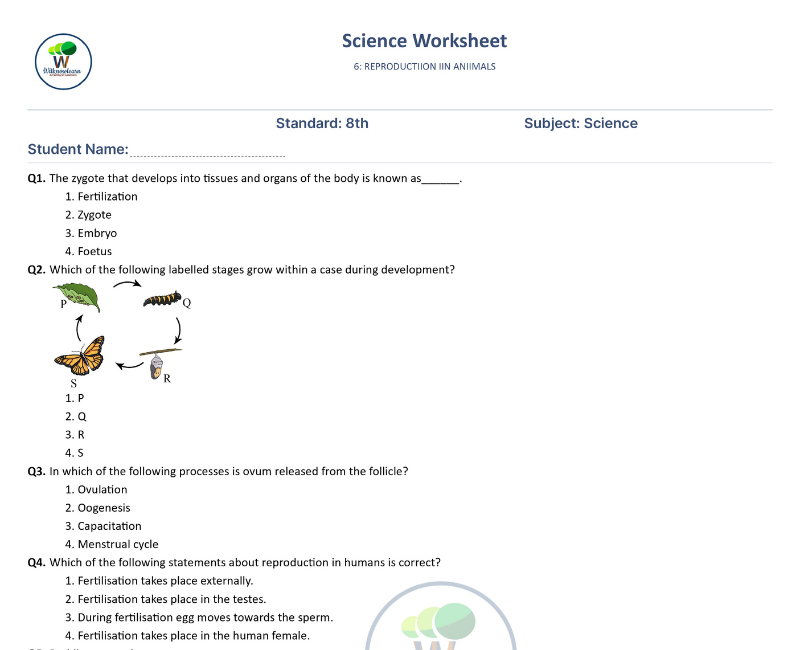
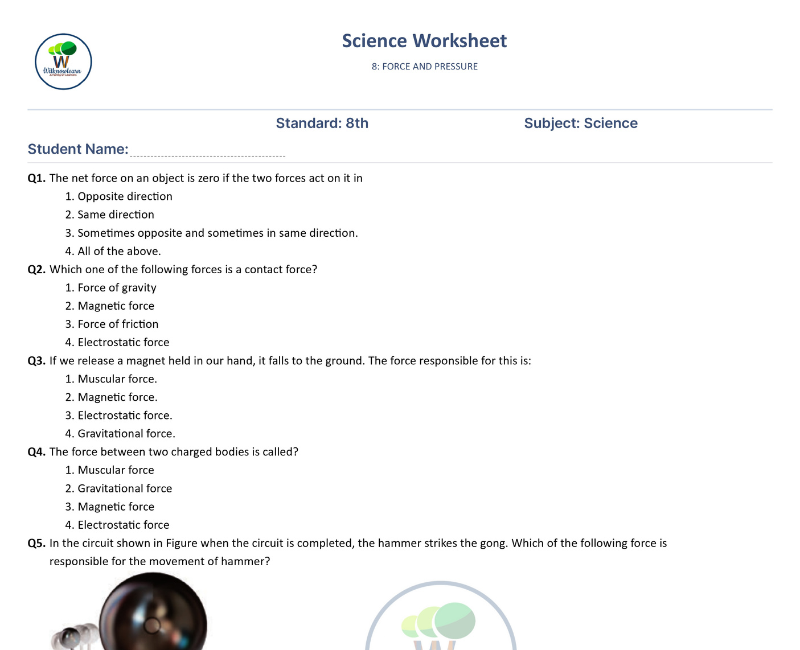
Follow a crop from seed to store with games, labs and a quiz. On WitKnowLearn you get the Crop Production and Management online quiz, online activities and interactive games, a farm lab, a virtual lab and a worksheet-style practice sheet for science.
Crop Production and Management Online Quiz
20 questions: 10 easy, 5 average and 5 thinking. Tap an answer and the next question comes up.
Crop Production and Management Activities
👆 Tap a tab to switch: Learn, Games, Labs, Challenges, Virtual Lab and Practice sheet
Crop Production and Management: From Seed to Store
A short read before you play. These notes cover crop production and management, from preparing the soil to storing the grain.
🌾 Kharif and rabi crops
Crops grown in the same season over a large area are called a crop. Kharif crops such as paddy, maize and soybean are sown in June to July with the monsoon. Rabi crops such as wheat, gram, pea and mustard are sown in October to November and harvested in March to April.
🚜 Seven steps to a crop
Farmers follow seven steps in order: preparing the soil, sowing, adding manure and fertilisers, irrigation, protecting from weeds, harvesting and storage. Ploughing loosens the soil, and a seed drill sows seeds at equal depth and gaps.
💧 Water, weeds and harvest
Sprinklers and drip systems give water without waste. Weeds are removed by weeding or by weedicides. The ripe crop is cut with a sickle or a combine harvester, threshed and winnowed, and the dry grain is stored in silos and granaries.
Crop Production and Management Activities
Follow every step on the Number Train. Earn up to 3 stars in every activity.
This page covers crop production and management, from preparing the soil to storing the grain for school science. It covers kharif and rabi crops, soil preparation, sowing, manure and fertilisers, irrigation, weeding, harvesting and storage.
The activities are pitched at upper middle school level. Sort crops by season, work out seed, water, fertiliser and yield, and sow a field row by row in the studio. Explore more science worksheets on WitKnowLearn after this chapter.
Key ideas and facts to know
| Season | Sown in | Crops |
|---|---|---|
| Kharif | June to July | paddy, maize, soybean |
| Rabi | October to November | wheat, gram, pea, mustard |
How to use this page
- Flip the six cards and try the Farm Lab in the Learn tab.
- Play the five games and the five labs to practise each idea.
- Finish the five challenges to collect up to 15 points.
- Do two virtual experiments and sow a field row by row in the studio.
- Take the 20-question online quiz, with assertion and reason and case study questions, and fill in the practice sheet.
Worked examples
6 × 25 = 150 kg.
3000 − 800 = 2200 litres.
This Crop Production and Management worksheet gives you online activities and interactive games that make the chapter clear. Every activity has a goal, a hint and a short fact, so students learn while they enjoy.
Complete Guide: Crop Production and Management
This guide is for students, parents and teachers. It covers crop production and management, from preparing the soil to storing the grain and shows how to use the quiz, labs and games on this page.
Introduction to Crop Production and Management
Crop production is the set of steps a farmer follows to grow a crop and bring the grain safely to the market.
What is there in this chapter
- Kharif and rabi crops
- Preparing the soil
- Sowing
- Manure and fertilisers
- Irrigation
- Protection from weeds
- Harvesting and storage
Learning objectives
- List the seven steps of crop production.
- Name kharif and rabi crops.
- Explain why weeds and pests must be controlled.
- Reason with assertions and case studies.
Learning outcomes
- I can sort crops by season.
- I can explain manure, fertilisers and irrigation methods.
- I can solve seed, yield and water problems.
Crop Production and Management resources on this page
| Resource | What it gives |
|---|---|
| Online quiz | 20 questions: 10 easy, 5 average and 5 thinking, with assertion and reason and case study questions and a full review |
| Flip cards | 6 picture cards with one-line rules |
| Farm Lab | A hands-on lab with 3 rounds |
| Games | 5 interactive games |
| Labs | 5 activity labs |
| Virtual Lab | 2 experiments plus a studio that sows a field row by row |
| Challenges | 5 challenges, 15 points in all |
| Practice sheet | A worksheet-style sheet with 16 questions, name and date lines and a live score |
Key facts
| Idea | Rule |
|---|---|
| Kharif | sown with the monsoon |
| Rabi | sown in the cool season |
| Manure | organic, adds humus |
| Fertiliser | made in a factory |
| Drip system | saves water |
Types of questions you may see
- Sorting crops by season
- Seed, yield and water calculations
- Assertion and reason on soil fertility
- Case studies on farm practices
Solved examples
Wheat and gram are sown in October to November.
6 × 9 = 54 seeds.
Common mistakes
| Mistake | Correct idea |
|---|---|
| Calling wheat a kharif crop | Wheat is a rabi crop |
| Mixing up manure and fertiliser | Manure is organic, fertiliser is made in a factory |
| Forgetting storage as a step | Storage is the seventh step |
Crop Production and Management in daily life
Everything we eat from cereals to pulses and oils comes from crops grown with these steps.
Tips for parents and teachers
- Link each step to a farm picture.
- Check units for seed, water and grain.
- Practise one assertion and one case study each week.
Related Science Worksheets
Crop Production and Management FAQs
What are kharif crops?
Kharif crops are sown in June to July with the monsoon, such as paddy, maize, soybean and cotton.
What are rabi crops?
Rabi crops are sown in October to November and harvested in March to April, such as wheat, gram, pea and mustard.
What is the difference between manure and fertiliser?
Manure is organic and adds humus. A fertiliser is made in a factory and gives a fixed nutrient.
Why is irrigation needed?
Crops need water at the right time. Sprinkler and drip systems supply it without waste.
What can students do on this page?
Students can take a 20-question online quiz with assertion and reason and case study questions, play five games, try five online activities, finish five challenges, run the Farm Lab, do two virtual experiments, sow a field row by row and compare the field and count views,, and fill in a 16-question practice sheet with a Show answers button.
 Download