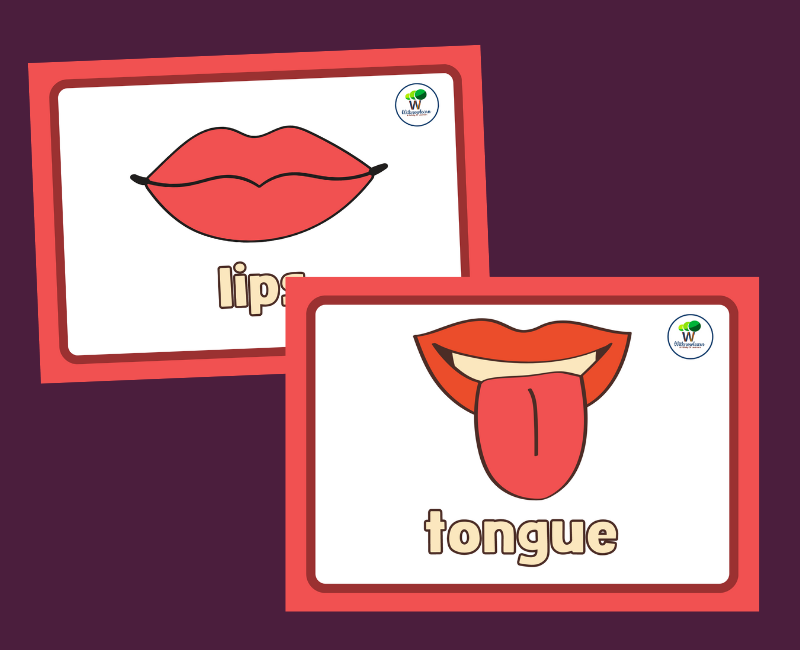
Point, Name and Discover!
20 body-parts quiz questions and 10 online games and activities are waiting below. Reveal picture-card names, match body parts, trace short words and build a friendly face.
⬇ Scroll down to tap, match, trace and draw!
Body Parts Flashcards Quiz for Nursery
20 questions: 5 easy, 7 average and 8 thinking questions. An adult can read aloud. Tap an answer to move automatically to the next question. Use numbered buttons or Previous/Next to revisit any question. The 20-minute timer starts with the first answer or question change.
⏱ Time left: 20:00
Question 1 of 20 • Easy • Answered 0/20
Which name belongs under this picture card?
Question navigation — green means answered.
Body Parts Flashcards Online Games for Nursery
Reveal body-part names, match pictures and words, connect body parts with familiar jobs, find memory pairs and order a pointing trail.
1. Reveal Body Parts Flashcards
Look at the picture, say the body part’s name, then tap Reveal Name.
Card 1 of 8. Say the name, then reveal it.
2. Match Body Part Names
Look at the body-part picture. Choose its name.
0 of 4 matched. Choose below.
3. Match Body Parts to Jobs
Choose the familiar job that matches the picture.
0 of 4 matched. Choose below.
4. Body Card Memory
Find two cards with the same body-part picture.
Find the matching pairs.
5. Head-to-Foot Picture Trail
Follow this picture trail: head, arm, knee, foot. Point to the cards; you do not need to move your body.
Begin with the head card.
Body Parts Flashcards Online Activities for Preschool
Trace body words, draw a hand outline, build a face, count finger pictures and choose body-care habits. Children can point to pictures instead of performing actions.
6. Trace Body Words
Choose a word. Trace the pale letters with the red pen.
Trace HAND with the red pen.
7. Draw a Hand Outline
Trace the pale hand guide with the red pen, or use the blank board for your own picture.
Ready to play!
8. Build a Friendly Face
Add ears, eyes, a nose and a mouth to this pretend face picture.
Ready to play!
9. Count Finger Pictures
Choose exactly the requested number of finger pictures. Tap again to remove one.
Choose 3 finger pictures. Selected: 0.
10. My Body-care Choices
Choose three helpful body-care actions.
Ready to play!
Parts of the Body Flashcards for Nursery Class Kids
Use the existing download option near the top of this page for the printable body-parts flashcards. Pair the picture cards with these online naming and matching activities.
Read about body parts flashcards for nursery ▾
Parts of the body flashcards for nursery class kids introduce familiar words through clear pictures. Begin with a few visible parts, such as the hand, foot, ear, nose and mouth. Show one card, say its name and invite the child to point or repeat the word. Short, friendly practice helps keep attention on the picture and its meaning.
Printable body parts flashcards can be used before a child reads independently. An adult can read the label while the child finds the matching picture. Place two cards on a table and ask for one by name. Add more choices gradually. Children can answer aloud, point, tap or use their preferred way of communicating.
Connect the cards with familiar actions. Eyes help us see, ears help us hear and the nose helps us smell. Hands can hold a pencil, while feet can fit inside shoes. These examples introduce vocabulary without requiring advanced anatomy. When discussing touch, explain that skin across the body helps us feel; touch is not limited to the hands.
A mirror or a simple face drawing can support observation of eyes, ears, the nose and mouth. Invite children to notice the picture’s features and match a card to each one. Use picture-based counting rather than making assumptions about every child’s body. Bodies and abilities differ, and a child does not need to perform a movement to recognise or name a body part.
The body parts flashcards quiz contains 20 original nursery-level questions: five easy, seven average and eight thinking questions. Children identify cards, match familiar uses and make simple comparisons. Selecting an answer automatically opens the next question. Numbered buttons and Previous/Next controls allow children to revisit a question and change an answer before submission.
After question 20, the quiz stays on the final question and prompts the child to submit. The timer remains above the question and the Submit button stays inside the quiz. Results show marks out of 20 and a short explanation for every answer. Review the pictures together and practise only a few words at a time if the child needs another attempt.
The ten online games and activities extend the printable cards. Reveal names, match body-part pictures, find memory pairs or follow a picture trail from the head down to the foot. Creative activities include tracing several short body words with one red pen, following a hand outline and adding features to a face picture. Finger-picture counting adds a small number task.
Finish with simple body-care vocabulary. Talk about washing hands, brushing teeth with adult help and telling a trusted adult when something feels wrong. These everyday conversations connect nursery EVS with familiar routines. Use the downloadable flashcards for classroom stations or short home practice, then explore the related body, cleanliness and self-awareness worksheets below when the child is ready.
Body Parts Flashcards FAQs
Which body-part words should nursery children learn first?
Begin with familiar visible parts such as hand, foot, ear, nose and mouth. Add a few new words at a time.
Where can I download the body parts flashcards?
Use the existing download option near the top of this page.
Does the quiz advance automatically?
Yes. Tapping an answer opens the next question. Question 20 stays visible with a prompt to submit.
Can a child change an answer?
Yes. Use a numbered question button or Previous/Next to return to a question before submitting.
Can children participate without doing movements?
Yes. They can point to pictures, name a card or tap a choice. Adapt participation to each child.
Do only hands feel touch?
No. Skin across the body helps us feel touch. Hands are a familiar example for exploring textures.
Can children trace different body-part words?
Yes. Choose HAND, FOOT, EAR, NOSE or MOUTH from the word list and trace with the red pen.
 Download