Little Food Explorers, Let’s Play!
Discover colourful foods and build a varied meal. 20 quiz questions and 10 online games and activities are waiting below.
⬇ Scroll down to sort, match, trace, draw and explore!
📝 Healthy and Unhealthy Food Quiz for Nursery
20 questions: 5 easy, 7 average and 8 thinking questions. Learn about everyday foods, occasional treats and simple mealtime habits. An adult can read aloud. The 20-minute timer starts with your first answer or question change.
⏱ Time left: 20:00
Question 1 of 20 • Easy • Answered 0/20
Which food is a fruit?
Question navigation — green means answered.
🎮 Healthy Food Online Games for Nursery
Explore foods, match pictures, sort everyday foods and treats, play memory and arrange a snack routine. Choose one game at a time.
1. Explore the Food Basket
Tap a picture button to learn about the food.
Choose a food below.
Ready to play!
2. Match Food Pictures
Look at the picture. Tap its food name below.
0 of 4 matched. Choose the match below.
3. Everyday or Occasional?
Sort these examples into everyday foods and occasional treats. A treat can fit sometimes; variety matters.
0 of 6 matched. Choose the match below.
4. Food Memory
Find two cards showing the same food picture.
Find the matching pictures.
5. Ready for a Snack
Put this snack story in order. Start with clean hands.
Start by washing and drying your hands.
🎨 Healthy Food Online Activities for Preschool
Trace food words, draw an apple, build a meal picture, count fruit and pack a colourful pretend lunchbox.
6. Trace Food Words
Choose a word. Trace the pale letters with your finger or mouse using the red pen.
Trace APPLE with the red pen.
7. Draw an Apple
Trace the apple outline, add a leaf or draw your favourite food on a blank board.
Ready to play!
8. Build a Varied Meal
Add four different foods to a pretend plate. This picture shows variety, not exact portions.
Ready to play!
9. Count the Apples
Choose exactly the requested number of apple pictures. Tap again to remove a choice.
Choose 2 apples. You have 0.
10. Pack a Colourful Lunchbox
Choose one grain food, one protein food and one fruit or vegetable for this pretend lunchbox. Tap a selected food to remove it.
🍱
0 of 3 groups packed: grain, protein, fruit or vegetable.
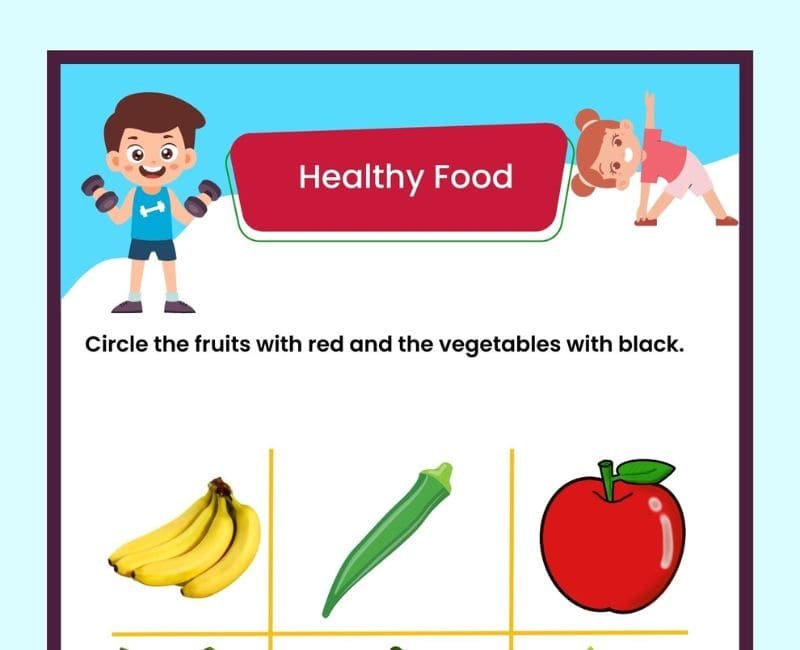
📄 Healthy and Unhealthy Food Worksheet for Nursery
Use the existing worksheet download near the top of this page for printable practice. Then revise with the online food quiz and activities.
Read about healthy food learning for nursery ▾
A healthy and unhealthy food worksheet for nursery introduces familiar foods through pictures, naming and simple sorting. Young children can recognise an apple, a carrot, rice, roti or dal before learning formal food-group words. Start by asking, “Which of these have you eaten?” and let the child point, name or describe a favourite.
Teach the difference through frequency and variety. Fruits, vegetables, grains and protein foods can contribute to everyday meals. Sweets, sugary drinks and similar treats are foods to have less often. A treat does not make a child bad, and a single food does not describe the whole diet. Use calm language such as “everyday food” and “occasional treat” while discussing the worksheet’s healthy and unhealthy food labels.
Healthy food activities for preschool should connect with the child’s home meals. Rice with dal and vegetables, roti with beans, or another familiar combination can show how different foods belong together. The aim is to notice variety over meals and snacks, rather than memorise a rigid menu. Let children name local foods and talk about their colours, shapes and textures.
The healthy food online quiz has 20 questions. Five easy questions practise recognition, seven average questions connect food with everyday choices, and eight thinking questions use short stories. A child might choose a vegetable to add to a meal or identify a helpful action before a snack. These nursery questions use familiar situations rather than calorie counts or advanced nutrition facts.
The ten food games and online activities offer varied practice. Children explore food pictures, match names, sort foods by how often we usually choose them, remember picture pairs and arrange a snack routine. They can trace five food words with one red pen, draw an apple, add four foods to a meal picture, count fruit and pack a pretend lunchbox with three different food groups.
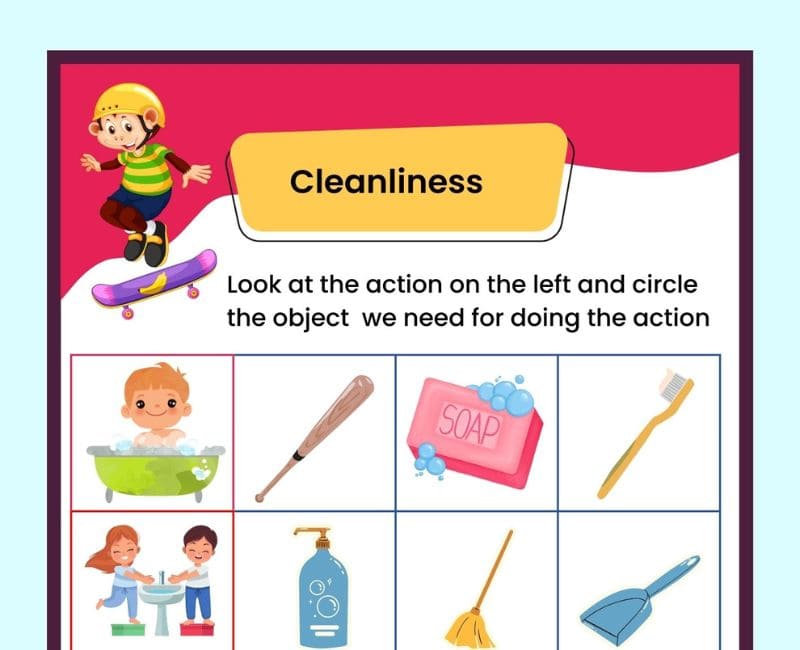
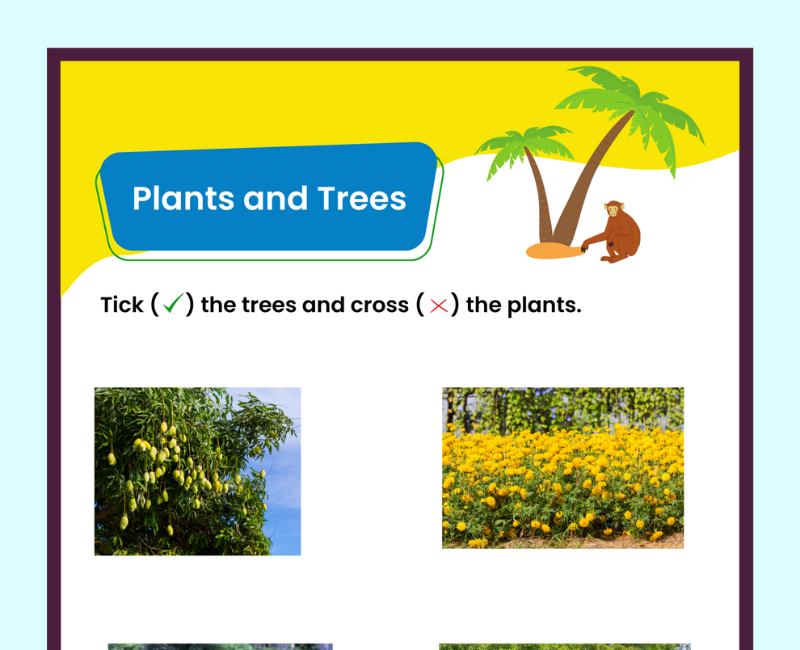
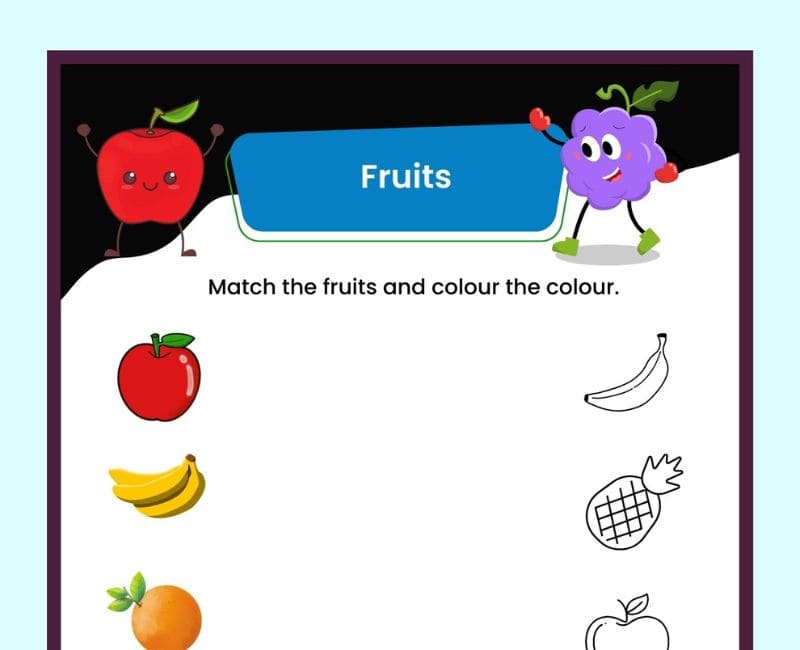
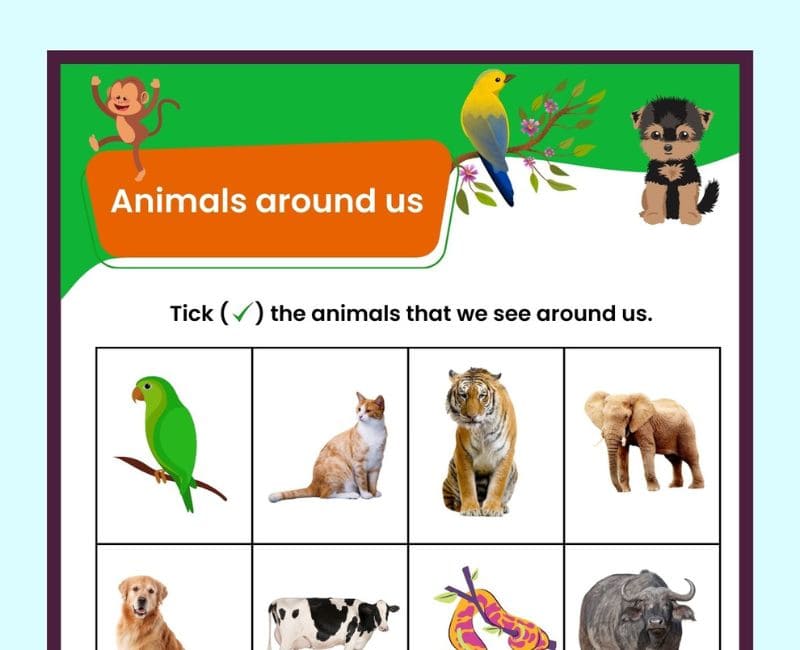
Use the printable healthy food worksheet for colouring, circling and conversation, then choose one or two online activities. Read instructions aloud for children who are not yet reading. The tracing boards include Undo and Clear, so children can practise without worrying about a perfect first attempt. Counting and matching also build observation and early number skills.
Keep mealtime learning positive. Offer familiar food alongside a new food, invite children to describe it and give them time to become comfortable. Adults choose and prepare suitable food; children can help with simple tasks such as naming ingredients or selecting pictures. Real food should be prepared in an age-appropriate form and follow the child’s usual food needs.
Continue with the nursery fruits and vegetables worksheet or the kindergarten healthy and junk food worksheet. Related resources below include food vocabulary, healthy habits and food learning for Classes 1, 2 and 4.
Frequently Asked Questions
How do I explain healthy and unhealthy food to nursery children?
Use familiar pictures and explain that we choose a variety of nourishing foods often, while sweets and sugary drinks are occasional treats. Avoid calling children good or bad because of what they eat.
Which foods can I use as everyday examples?
Use local examples such as fruit, vegetables, rice, roti, dal and beans. Talk about combinations the child already knows.
Can a treat ever be part of a varied diet?
Yes. Discuss treats as foods to have less often, rather than foods that a child must fear. Everyday meals should offer variety.
Can children play the food games before they can read?
Yes. An adult can read instructions and options aloud. Children can point to pictures, tap buttons and explain their choices.
Where can I download the healthy food worksheet?
Use the existing worksheet download near the top of this page. The quiz and games provide separate online practice.
Does the meal-building activity show exact portions?
No. It is a picture activity for recognising variety. It does not prescribe portions or a personal meal plan.
Are higher-grade food worksheets suitable for nursery learners?
The higher-grade links are optional next steps for older learners, parents and teachers. Start with nursery or kindergarten materials.
 Download