Vowel Detectives and Consonant Builders! 🔤🌈
20 quiz questions and 10 interactive activities. Sort letter parcels, build words, colour vowel tiles and solve a letter route.
📝 Vowels and Consonants Quiz for UKG
⏱ Time Left: 20:00
Question 1 of 20 • Answered: 0/20
Which card is a vowel letter?
Question navigation — green means answered.
🎮 Vowels and Consonants Games for UKG
1. 🔎 Explore the Five Vowels
Choose a vowel. Compare its capital and small forms. An adult reads the example word.
A a • ant
Ready to play!
2. 📦 Sort Letter Parcels
Choose a letter parcel, then tap its group. Sort all eight letters.
Ready to play!
3. 🃏 Vowel Case Memory
Reveal two cards. Match capital and small forms of A, E, O and U.
Find four pairs.
4. 🎨 Colour the Vowel Garden
Tap every vowel tile to colour it. Tap again to change a choice.
Ready to play!
5. 🧱 Build Three Words
Build the displayed word by tapping its letters in order. Undo lets you change a tile.
Build: map
__ __ __
Ready to play!
🧠 Vowel and Consonant Activities for SR KG
6. 🔧 Repair Group Labels
Each label starts in the wrong group. Repair all three labels.
Ready to play!
7. 🚂 Build a C V C V Train
C means consonant and V means vowel. Build four carriages following C V C V. Any unused letter fitting the next group can work.
C → V → C → V
Ready to play!
8. 🔍 Mark the Vowels in Words
Tap every written vowel letter in each word, then save. An adult can read the word.
Word: log
Ready to play!
9. 🤖 Follow the Vowel Trail
Start at A. Follow A → e → I → o → U using neighbouring squares. Diagonal moves do not count.
Ready to play!
10. ✍️ Trace the Five Vowel Pairs
Choose a letter and trace its outline. An adult demonstrates the classroom handwriting model. Screen fonts may differ from handwriting; outlines do not show stroke order.
Ready. Name the letter and trace its outline.
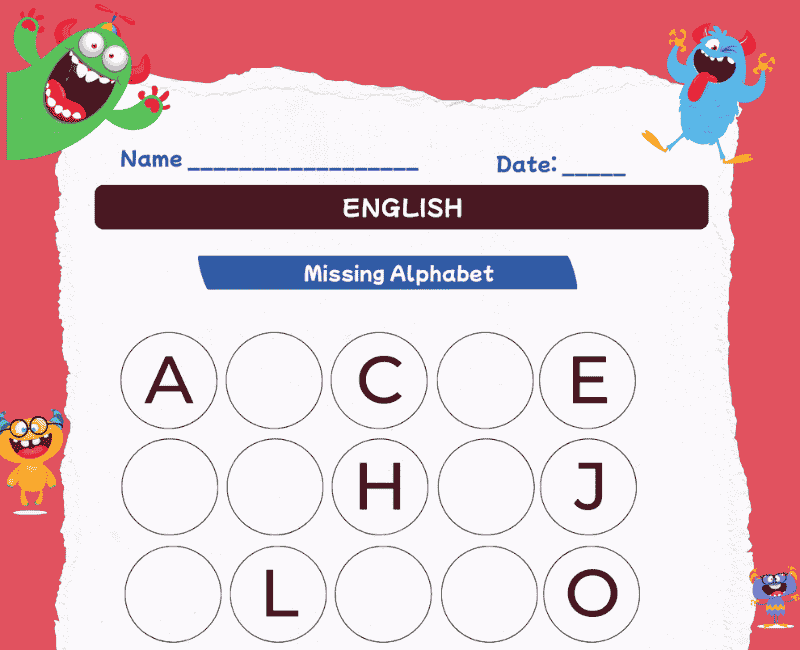
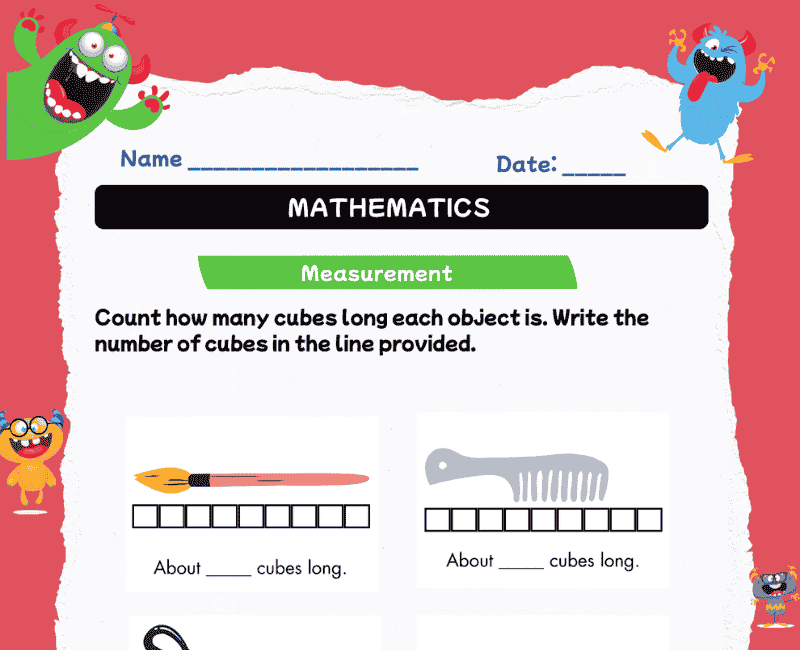
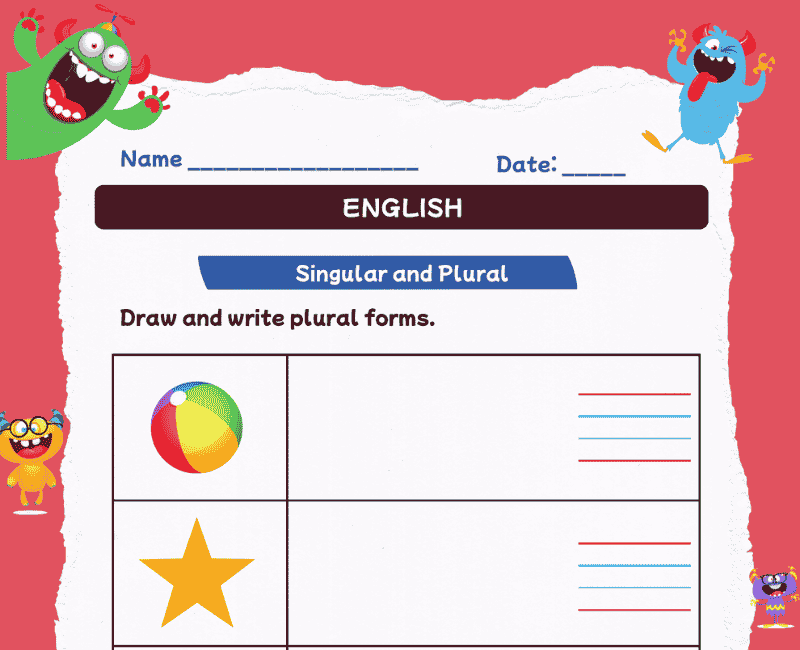
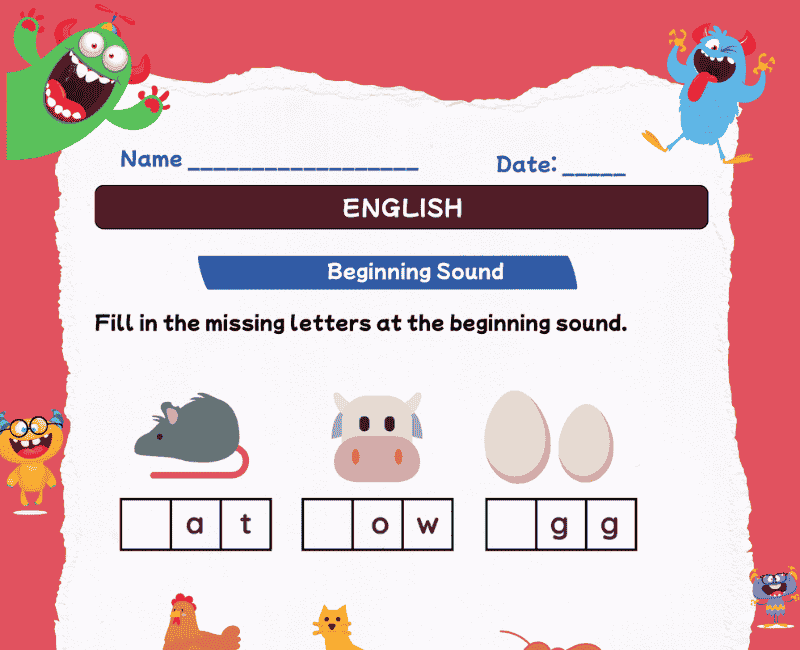
📄 Vowels and Consonants Worksheet PDF for UKG
Use the existing download option on this page for the printable worksheet.
📖 Read the vowels and consonants learning guide
Vowels and consonants worksheets for UKG help children look closely at letters, sort them into groups and use them in familiar words. Senior KG, also called SR KG, learners can begin by recognising the five main vowel letters: a, e, i, o and u. Practise their capital forms alongside the small forms so children recognise A and a as the same letter.
Begin with written letters before introducing more demanding listening tasks. Put a few clear cards on a table and ask the child to group the vowel letters. Introduce consonants through familiar examples such as m, s, p and t. A vowel and consonant chart can support children who are still learning the alphabet; it is a reference rather than something they must memorise immediately.
Letters and sounds are related but different. The five main vowel letters can represent several sounds, so recognising the letter a does not mean that a child knows every sound it can represent. Compare the familiar words cap and cape when the child is ready, with an adult reading both words. Avoid teaching that each vowel always makes one sound.
For simple CVC practice, use words such as map, net, pin, log and cup. Here CVC means consonant-vowel-consonant. Say each word naturally, then help the child listen to its middle sound. Show the written word and point to the middle vowel letter. Keep letter sorting and listening activities distinct so children know what they are being asked to notice.
The letter y needs a careful explanation. It often represents a consonant sound at the beginning of yes, but it represents vowel sounds in words such as my and happy. These introductory activities focus on a, e, i, o and u and avoid using y in the letter-sorting tasks. This keeps the task clear without suggesting that y can never represent a vowel sound.
The twenty-question online quiz checks recognition, case matching, simple word analysis and reasoning about letter groups. Ten additional activities offer parcel sorting, memory, movable word tiles, vowel collection, label repairs, pattern construction, route planning and tracing. Children can revise their choices and try again. The activity examples differ from the quiz examples to encourage applying a skill to new letters and words.
Use the vowels and consonants worksheet PDF for paper practice alongside the interactive tasks. Ask the child to explain a choice, point to the vowel in a familiar word or sort a small handful of cards. For tracing, demonstrate the handwriting model used in school. The online outlines are visual guides rather than stroke-order lessons, and an adult reviews the writing.
Practise in short sessions suited to the child. An adult can read unfamiliar words aloud before a listening task, and children do not need to read every instruction independently. Return to letter recognition if word-building feels difficult. Use the existing download option on this page to access the printable resource and combine it with these UKG and SR KG vowels and consonants activities.
💬 Vowels and Consonants Worksheet FAQs
😊 What are the five main vowel letters?
The five main vowel letters are a, e, i, o and u. Their capital forms are A, E, I, O and U.
😊 What are consonants?
Consonant letters include b, c, d, f, g and many others. For early practice, sort familiar examples separately from a, e, i, o and u.
😊 How do I teach vowels and consonants to a UKG child?
Begin with a few letter cards, model sorting and match capital and small forms. Move to simple familiar words when the child recognises the letters.
😊 Are vowel letters and vowel sounds the same?
No. A letter is a written symbol, while a sound is heard in speech. A vowel letter can represent different sounds in different words.
😊 Is Y a vowel or a consonant?
Y can represent a consonant sound in yes and vowel sounds in words such as my and happy. Its role depends on the word.
😊 What does CVC mean?
CVC means consonant-vowel-consonant. Simple examples include map, net and cup. An adult can help the child say and blend their sounds.
😊 How can children find the middle vowel in a word?
Use a familiar three-letter word, say it aloud and stretch its sounds gently. Connect the middle sound with the written vowel letter.
😊 Do vowels always make short sounds?
No. Vowel letters can represent short, long and other sounds. Introduce a small set of examples instead of one rule for every word.
😊 Should children memorise a vowels and consonants chart first?
A chart can help, but children can also learn through matching, sorting and familiar words. Give support according to their current letter knowledge.
😊 Where can I download the vowels and consonants worksheet PDF?
Use the existing download option on this page. The online quiz and games provide additional practice alongside the printable worksheet.
 Download