CLASS 2 SCIENCE • WILDLIFE DISCOVERY
Follow the Clues into the Wild!
Explore animal habitats, food and body features with this wild animals worksheet for Class 2 learning page. Study the pictures, try the online quiz and solve wildlife missions by tapping directly on the activity scenes.
20 picture quiz questions • 10 learning missions • 5 extra practice tasks
Wild Animals Class 2 Picture Quiz
Look closely before answering. The quiz has 10 easy questions, 5 average questions and 5 thinking questions. Your 20-minute timer starts when you answer or move to another question.
Answers move you forward automatically. Use the question numbers to return and change a choice. Explanations appear after you end the quiz or when time runs out.
Question 1 of 20 • Easy • Answered 0/20
Which pictured animal has orange fur with dark stripes?
Look at the picture. Tap an answer to continue.
Five Wild Animal Learning Games
Make connections, sort food records and use picture clues. Choose a game below. One mission appears at a time.
1. 🧠 Complete the Wild Animal Clue Map
Choose an animal, then connect it with its pictured body clue. Explain the connection.
Tap the picture to begin.
2. 🥣 Sort the Wildlife Food Records
Look at each animal and tap the food group that fits. These are learning records, not feeding instructions.
Tap the picture to begin.
3. 🗺️ Complete the Illustrated Habitat Map
Choose a wildlife card, then tap the matching habitat example in the map. These are examples, not the only places each animal can live.
Tap the picture to begin.
4. 🔗 Build Two Who-Eats-What Trails
Start with plant food, then a plant eater, then an animal that may eat it. Tap cards in order.
Tap the picture to begin.
5. 🃏 Find Animal and Feature Memory Pairs
Reveal two cards to connect a wild animal with a body feature. Find all four pairs.
Tap the picture to begin.
Five Wild Animals Online Activities
Explore an elephant’s body, repair mixed-up facts, plan an observation route and record a picture survey. Tap the questions and picture regions inside each activity.
6. 🐘 Explore the Elephant Body Map
Read each clue and tap the matching region on the elephant itself.
Tap the picture to begin.
7. 🎒 Pack a Respectful Wildlife Visit
Select exactly three useful choices for a supervised observation visit. Then inspect the plan.
Tap the picture to begin.
8. 🔧 Repair the Wildlife Fact Cards
Each note has a mistake. Use the picture and explanation to choose the repair.
Tap the picture to begin.
9. 🧭 Plan the Observation Route
Move the adult group from Start to the viewpoint using neighbouring path squares. Stay out of the central wildlife zone.
Tap the picture to begin.
10. 📒 Record the Wildlife Picture Survey
Tap each animal once to mark it observed. Notice the counts for each kind before recording the survey.
Tap the picture to begin.
0 of 10 missions completed.
Extra Wild Animal Practice
Revisit important ideas with animal clues, young-one connections, habitat needs and a wildlife learning poster.
1. 🔍 Solve the Wildlife Clues
Use three changing body-feature clues to identify the animal pictures.
Tap the picture to begin.
2. 👶 Connect Wild Animals and Young Ones
Complete four parent-and-young connections. Some young-one words are shared by different animals.
Tap the picture to begin.
3. 🌿 Complete a Habitat Needs Map
Connect the picture examples with three needs: food, water and suitable space.
Tap the picture to begin.
4. 🟰 Find a Shared Feature
Select both pictured animals with striped coats. Explain what is similar and what differs.
Tap the picture to begin.
5. 🎨 Make a Wildlife Learning Poster
Add wild animal stamps and explain one fact to an adult. The poster is creative practice, not an automatic knowledge score.
Tap the picture to begin.
0 of 5 practice tasks explored.
Help Your Child Learn from the Pictures
Ask for a clue before accepting an answer
Ask “What did you notice?” A child might point to a trunk, long neck, striped coat or habitat picture. Encourage an explanation in their own words.
Talk about examples rather than absolute rules
Explain that wild animals use many habitats. Not every wild animal lives in a forest or eats meat. An animal can use more than one type of habitat.
Use mistakes to build understanding
Read the feedback together and ask the child to try again. In the quiz, discuss the explanation after submission rather than concentrating only on the score.
Connect the online activities with the worksheet
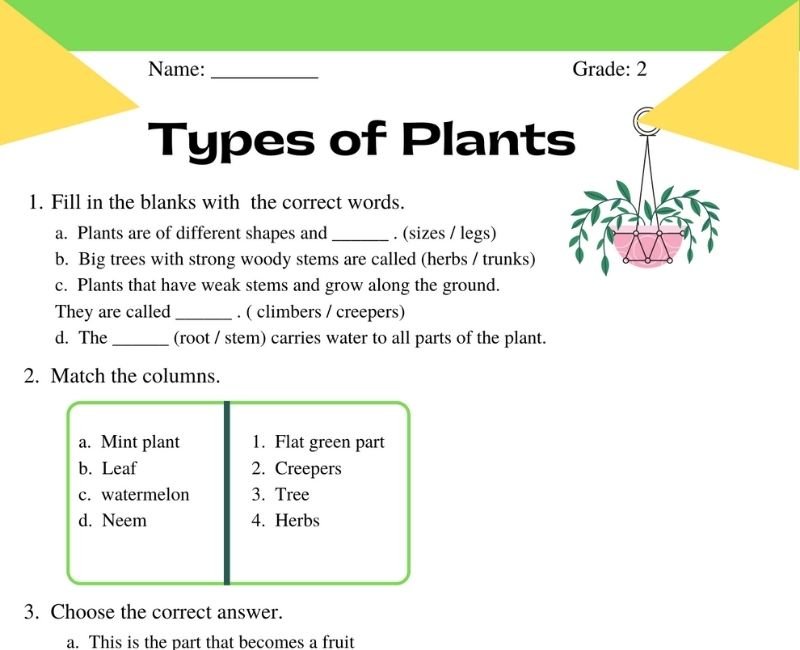
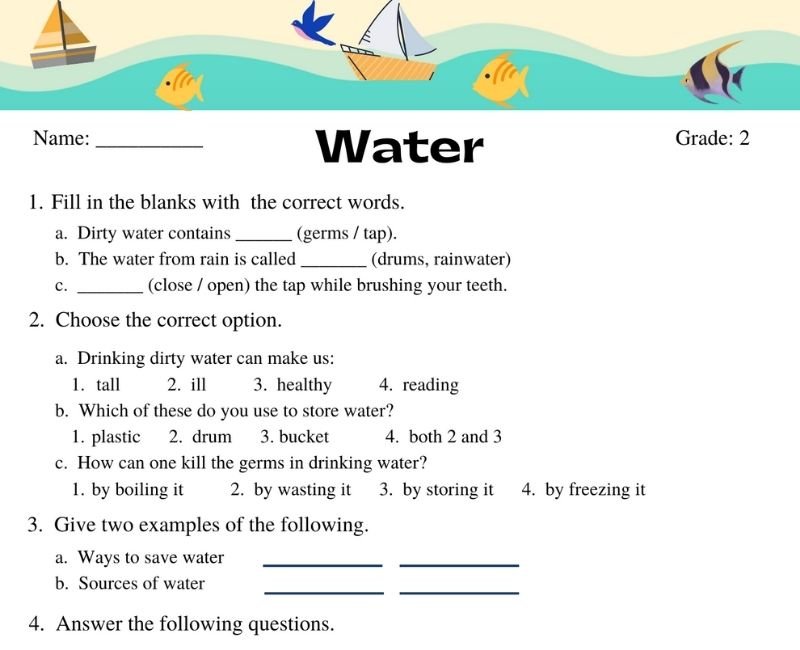
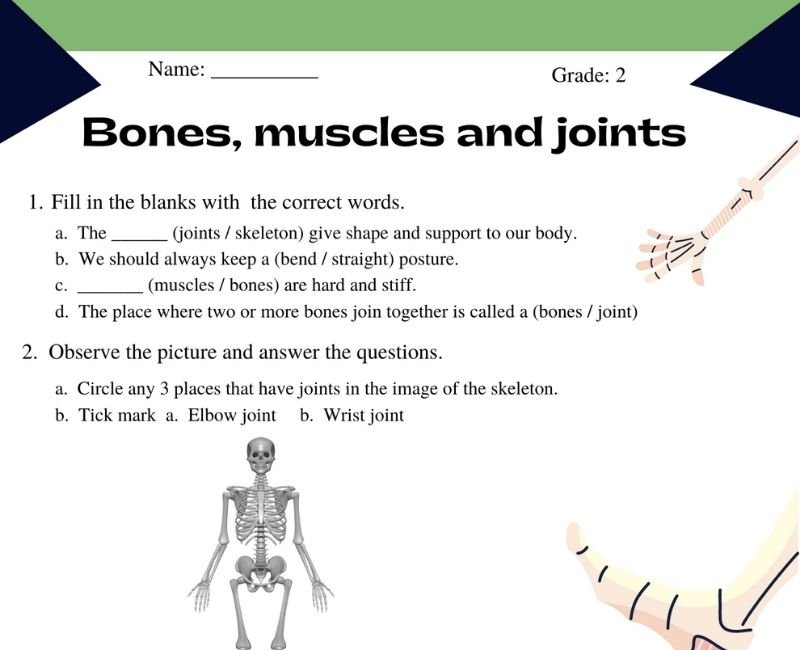
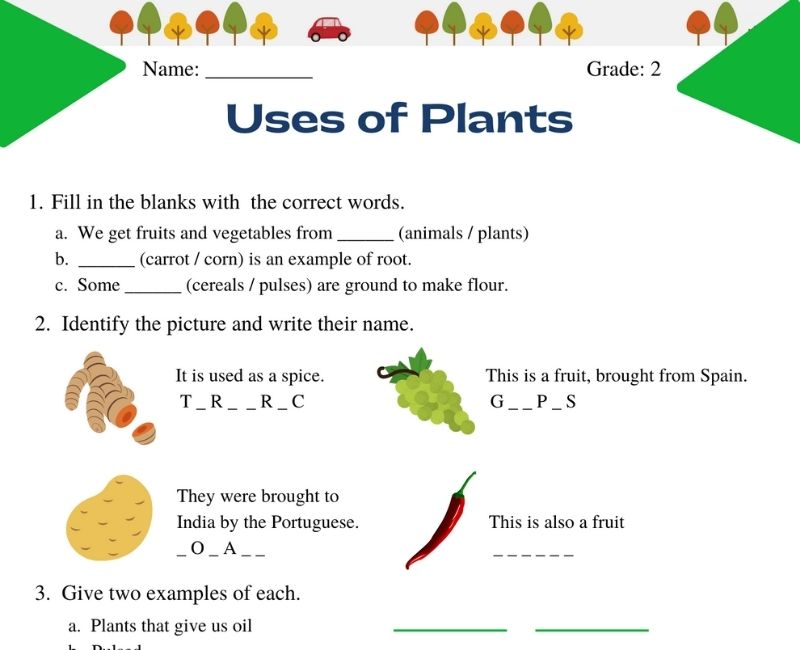
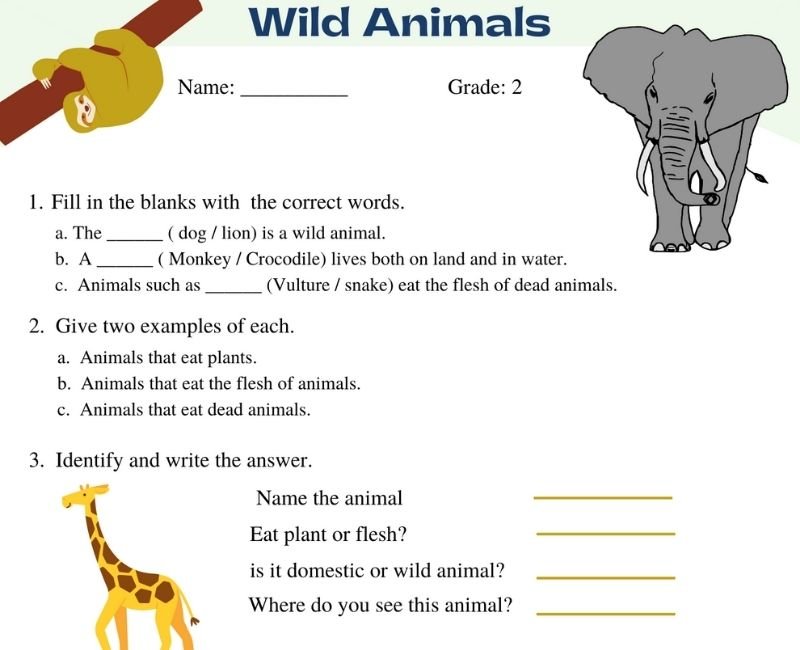
Use the worksheet download provided on this page for offline practice. Ask your child to describe an animal or draw a simple food-and-habitat connection after completing the online activities.
Practise respectful wildlife observation
Observe with an adult from an appropriate distance and follow local guidance. Record what you see without feeding, touching, chasing or collecting wild animals.
Read the Wild Animals Class 2 Learning Guide
What are wild animals?
Wild animals belong to kinds that have not been domesticated by people. Tigers, elephants, giraffes, zebras and deer are familiar examples. Small frogs, insects and many birds can also be wild animals. Wild does not simply mean large, fierce or dangerous. A tiger cared for in a zoo is still a wild kind of animal.
Where do wild animals live?
Wild animals live in different habitats, including forests, grasslands, wetlands and polar regions. A habitat provides suitable conditions and resources such as food, water, cover and space. Polar bears are associated with the Arctic and sea ice. Zebras are familiar grassland animals. These examples help children understand why “all wild animals live in forests” is an incorrect rule.
What do wild animals eat?
Different animals eat different foods. Elephants eat plant foods such as grass and leaves. Giraffes browse leaves and zebras eat mostly grass. Tigers and lions eat other animals. Children can explore these differences in the food-sorting game and build simple who-eats-what trails using the picture cards.
How do body features help animals?
An elephant uses its trunk to handle food and bring water to its mouth. A giraffe’s long neck helps it reach higher leaves. Tigers and zebras have striped coats, although their colours and body shapes differ. Adult male lions commonly have manes; this feature should not be used to describe every lion.
Using the worksheet with online activities and quiz
Use this wild animals worksheet for Class 2 alongside the picture quiz, habitat map, elephant body activity and observation tasks. Ask children to explain their choices. Follow up with the Animals Around Us Worksheet for Class 2 to compare animal groups. For a next step, explore the Eating Habits of Animals Class 3 Worksheet.
How can children care for wildlife?
Children can keep surroundings clean, avoid disturbing animals and learn why habitats matter. Protecting plants and water also helps wildlife. Connect this topic with the Uses of Plants Worksheet for Class 2 and discuss how plants provide food and places for animals to live.
Related Animal Worksheets and Class 2 Science Practice
Build the foundations with Class 1 animal topics, continue with Class 2 science or explore a higher-grade extension.
Frequently Asked Questions about Wild Animals for Class 2
What are wild animals for Class 2?
Wild animals belong to kinds that people have not domesticated. Examples include tigers, elephants, giraffes, zebras and deer. Many small animals, including frogs and insects, can also be wild.
What are five examples of wild animals?
Five examples are a tiger, elephant, giraffe, zebra and deer. These animals have different body features, food habits and habitat needs.
What is the difference between wild and domestic animals?
Domestic animals belong to kinds that people have bred over many generations for living and working with humans. Wild animals have not been domesticated. Caring for one wild animal does not make its kind domestic.
Do all wild animals live in forests?
No. Wild animals use many habitats, including grasslands, wetlands, deserts, oceans and polar regions. Forests are only one habitat type.
Do all wild animals eat meat?
No. Elephants, giraffes and zebras eat plant foods. Lions and tigers eat other animals. Wild animals have different diets.
What do wild animals need to survive?
They need suitable food, water and living conditions. They also need enough suitable space and places to rest, hide or raise young. Their exact needs vary.
What are the young ones of a lion and elephant called?
A young lion is a cub and a young elephant is a calf. A young deer is a fawn and a young zebra is a foal.
Which wild animals have stripes?
Tigers and zebras are familiar examples. Tigers commonly have dark stripes on an orange coat, while zebras have black-and-white stripes.
Why does a giraffe have a long neck?
A giraffe’s long neck helps it reach leaves higher in trees. Children can connect this visible body feature with how the animal gets food.
How do wild animal online activities help Class 2 students?
Picture sorting, habitat matching and clue maps let children compare, classify and explain. Feedback gives them another chance to connect an animal with its food, body features or habitat.
How can I use the wild animals worksheet with this quiz?
Use the worksheet download on this page for offline practice. Then try the picture quiz and discuss the explanations after submission. Revisit an activity when a child needs more practice with a particular idea.
How can children help protect wild animals?
Children can avoid littering, respect habitats and observe animals with adult guidance. They should keep an appropriate distance and avoid feeding, touching, chasing or taking animals from the wild.
 Download